- Email: jasper@dtooilseal.com
- WhatsApp: +86 183 3255 8601
How PU Oil Seals Improve Performance of Forklift Hydraulic Systems
PU (Polyurethane) Oil Seals are essential components in hydraulic systems, designed to prevent leakage of fluids while keeping contaminants out. Their robust material properties help maintain the efficiency of hydraulic systems in forklifts.
Using PU Oil Seals in your forklift hydraulic systems provides several advantages:
Improved sealing performance due to better material flexibility.
Higher resistance to wear and chemical corrosion.
Longer service life compared to traditional seals.
Enhanced system efficiency, leading to better hydraulic function.
Before starting the installation, ensure you have the following tools ready:
Wrench set
Screwdriver set
Seal installation tool (if necessary)
Grease or oil for lubrication
Clean cloths for cleaning surfaces
Make sure to work in a clean environment to avoid contaminating the hydraulic system. Use a clean cloth to wipe any old oil or debris from the area where the seal will be installed.
Carefully use a screwdriver to pry out the old oil seal. Ensure not to damage the surrounding components during removal. It may require some elbow grease, so take your time.
Lubricate the outer edge of the new PU Oil Seal with grease or oil to ensure a smooth installation. Gently press the seal into place, ensuring it sits evenly in the groove. Use the installation tool if necessary to avoid damage.
Once the PU Oil Seal is securely in place, reassemble any components you removed. Ensure everything is tightened to the manufacturer\'s specifications to prevent future leaks.
Avoid these common mistakes to ensure a successful installation:
Not cleaning the installation area properly, leading to contamination.
Forcing the seal into place, which can cause permanent damage.
Neglecting to lubricate the seal before installation.
Using an incorrect size oil seal, which could lead to leaks.
Follow these maintenance tips to extend the life of your PU Oil Seals:
Regularly inspect seals for signs of wear or damage.
Keep hydraulic fluids at the correct levels, avoiding overfilling.
Maintain clean working conditions to prevent contamination.
In conclusion, PU Oil Seals significantly enhance the performance and longevity of forklift hydraulic systems. By understanding their benefits and following the proper installation procedures, you can prevent costly downtime and optimize operational efficiency. For more high-quality hydraulic seals and components, consider Dingtong to ensure your systems run smoothly.

Recent News
Xingtai Dingtong Rubber is a professional products co., Ltd. production and sales of seals enterprises. Founded in 1996, it covers an area of 23,300 square meters, 26 machines, and 3200 kinds of molds. Our products are often exported to North America, Asia, Europe, Northern Europe, Southeast Asia, South Asia, Asia, South America, Africa.
Sep. 28, 2026
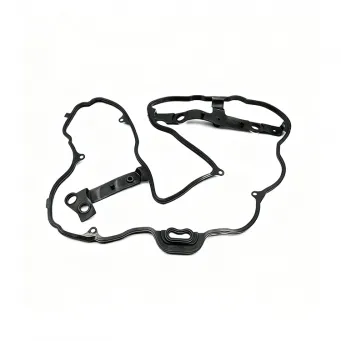
Why Heat Resistance Is Critical for Automotive Engine Oil Seals
Engine oil seals play a vital role in the overall functionality of automotive engines, yet they often face significant challenges due to heat exposure. One major pain point for vehicle owners is the degradation of engine oil seals over time, leading to oil leakage and reduced engine efficiency. Without proper heat resistance, seals can fail, resulting in costly repairs and potential engine
Sep. 28, 2026
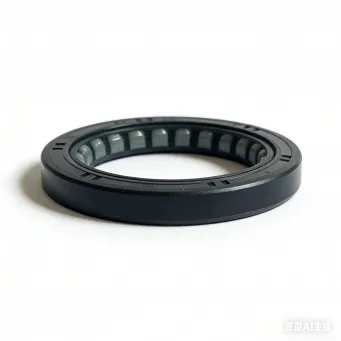
How to Extend the Service Life of Automotive Oil Seals
When working with automotive oil seals, you're almost certainly faced with the constant challenge of ensuring they last as long as possible to maintain optimal performance and reduce costs. I can assure you, with a few practical steps, you can significantly extend the service life of your automotive oil seals. This guide will walk you through efficient methods to achieve this goal, ensuring a
Sep. 28, 2026
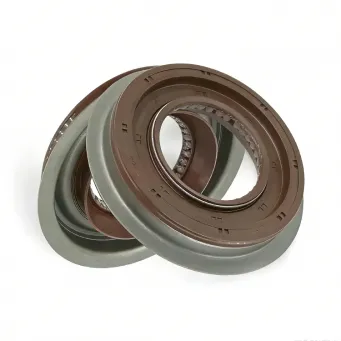
How to Prevent Automotive Oil Seal Cracking in Cold Environments
Preventing automotive oil seal cracking in cold environments is a critical concern for those of us in the automotive industry, especially if we want to maintain the reliability of machinery and vehicles. I’m here to provide you with clear, actionable steps that can help you effectively safeguard your oil seals against the rigors of cold weather conditions. Ensuring that your oil seals remain
Aug. 24, 2026
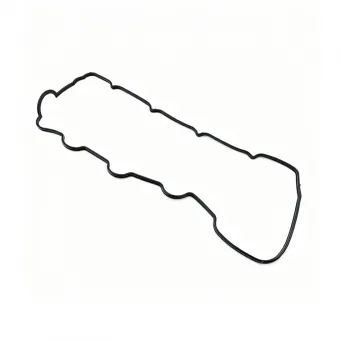
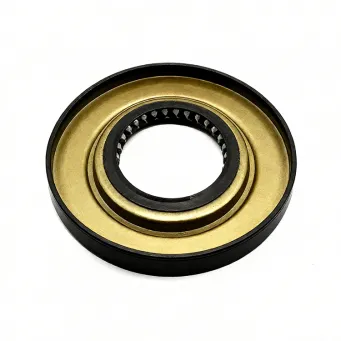
Top Features Buyers Look for in High-Performance Automotive Oil Seals
In today’s automotive market, the demand for high-performance oil seals is surging, driven by the need for enhanced engine efficiency and longevity. Car enthusiasts and automotive professionals face common pain points related to oil leaks, subpar performance, and accelerated wear and tear on engine components. To address these concerns, buyers must focus on key features when selecting oil
Aug. 24, 2026
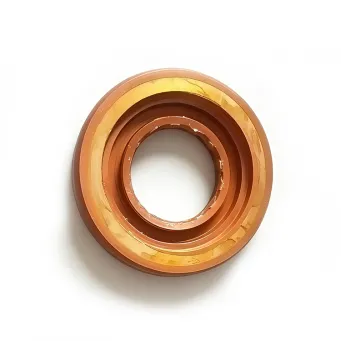
Automotive Oil Seal vs Mechanical Seal: What’s the Difference
In the world of automotive engineering, understanding the differences between automotive oil seals and mechanical seals can save vehicle owners time, money, and unnecessary headaches. Many users frequently ask, "Which seal should I use for my application?" and "What are the real-world implications of choosing the wrong seal?" These questions stem from common pain points like leaks, decreased
Aug. 24, 2026
Pros and Cons of PTFE Automotive Oil Seals in High-Speed Applications
In high-performance automotive environments, the effectiveness of seals is pivotal, particularly in high-speed applications where pressure, temperature, and friction create distinct challenges. PTFE automotive oil seals, renowned for their chemical resistance and low friction properties, often emerge as a popular choice. However, selecting the right oil seal can be daunting, as users frequently
You may like these products


