- Email: jasper@dtooilseal.com
- WhatsApp: +86 183 3255 8601
Why PU Oil Seals Have Become the Preferred Choice for Fast-Moving Mechanical Systems
As industries evolve, fast-moving mechanical systems confront distinct challenges. Operators often struggle with the wear and tear of traditional sealing solutions, leading to costly downtime and maintenance. This is where PUR oil seals shine, catering to the needs of various industries. These seals provide enhanced durability, resistance to extreme conditions, and improved performance, making them an ideal choice for organizations seeking reliability. As a leading Skeleton Oil Seal Manufacturer, Dingtong understands the competitive landscape, offering innovative solutions that address common pain points, such as leakage and frequent replacements.
PU oil seals have garnered attention for their impressive benefits in fast-moving mechanical systems. One significant advantage is their superior resistance to hydraulic fluids, ensuring minimal leakage. According to industry research, PU oil seals can reduce leakage rates by up to 57% compared to traditional rubber seals. Additionally, these seals offer a broader temperature operating range, enduring temperatures from -40°C to 100°C, and even up to 120°C for short durations. This reliability translates to less frequent replacements and lower maintenance costs for businesses.
Various case studies illustrate the effectiveness of PU oil seals in real-world applications. For instance, automotive manufacturers have reported that the use of PU oil seals improved the lifespan of engine components by 30%. This increased durability not only contributes to lower operational costs but also enhances overall performance and customer satisfaction. Another sector benefitting from PU oil seals is the food and beverage industry, where hygiene and safety are paramount. Seals from Dingtong comply with international regulations, ensuring they withstand not only temperature variations but also exposure to aggressive cleaning agents.
While traditional seals might appear cost-effective at first glance, they often fall short in performance. For example, when comparing PU oil seals with nitrile rubber seals, PU seals exhibit a 44% improvement in resistance to wear and tear over time. In a direct PU oil seals vs. rubber seals comparison, companies using PU seals have recorded significant productivity improvements, often reporting up to a 25% increase in operational efficiency. These statistics emphasize the long-term cost benefits and reliability associated with choosing PU oil seals.
Traditional seals often fail due to factors such as ozone exposure, extreme temperatures, and chemical degradation. This leads to increased maintenance requirements and potential system failures. In contrast, PU oil seals by Dingtong are engineered to withstand these challenges, reducing the frequency of breakdowns and enhancing overall system integrity. This proactive approach enables manufacturers to focus on production without the constant worry of seal replacements.
In summary, PU oil seals have emerged as a preferred choice for fast-moving mechanical systems due to their unparalleled advantages. From reducing leakage rates to improving component lifespan and system performance, the data demonstrates a clear benefit for industries seeking durable and efficient sealing solutions. The proven resilience of PUR seals positions them as a comprehensive replacement for traditional seals, offering long-term operational cost savings and reliability. As a market leader, Dingtong provides a range of options tailored to meet specific industry needs.
If you’re interested in enhancing your mechanical systems’ efficiency and longevity, we invite you to explore our range of PU oil seals. Dingtong is committed to providing innovative solutions tailored to your needs. Contact us for further insights or to initiate a trial use of our products.
PU oil seals are made from high-performance polyurethane material, known for its elasticity and resistance to wear and chemicals.
These seals significantly reduce leakage rates and wear, thus enhancing system efficiency and reducing maintenance costs.
Yes, PU oil seals can operate in extreme temperatures, ranging from -40°C to 100°C, and even up to 120°C for short periods.
Recent News
Xingtai Dingtong Rubber is a professional products co., Ltd. production and sales of seals enterprises. Founded in 1996, it covers an area of 23,300 square meters, 26 machines, and 3200 kinds of molds. Our products are often exported to North America, Asia, Europe, Northern Europe, Southeast Asia, South Asia, Asia, South America, Africa.
Sep. 28, 2026
Why Heat Resistance Is Critical for Automotive Engine Oil Seals
Engine oil seals play a vital role in the overall functionality of automotive engines, yet they often face significant challenges due to heat exposure. One major pain point for vehicle owners is the degradation of engine oil seals over time, leading to oil leakage and reduced engine efficiency. Without proper heat resistance, seals can fail, resulting in costly repairs and potential engine
Sep. 28, 2026
How to Extend the Service Life of Automotive Oil Seals
When working with automotive oil seals, you're almost certainly faced with the constant challenge of ensuring they last as long as possible to maintain optimal performance and reduce costs. I can assure you, with a few practical steps, you can significantly extend the service life of your automotive oil seals. This guide will walk you through efficient methods to achieve this goal, ensuring a
Sep. 28, 2026
How to Prevent Automotive Oil Seal Cracking in Cold Environments
Preventing automotive oil seal cracking in cold environments is a critical concern for those of us in the automotive industry, especially if we want to maintain the reliability of machinery and vehicles. I’m here to provide you with clear, actionable steps that can help you effectively safeguard your oil seals against the rigors of cold weather conditions. Ensuring that your oil seals remain
Aug. 24, 2026
Top Features Buyers Look for in High-Performance Automotive Oil Seals
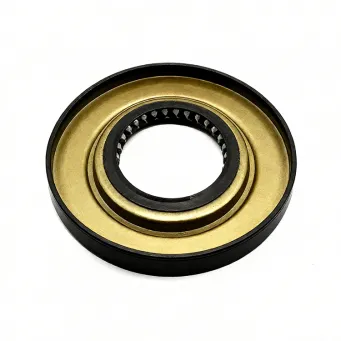
In today’s automotive market, the demand for high-performance oil seals is surging, driven by the need for enhanced engine efficiency and longevity. Car enthusiasts and automotive professionals face common pain points related to oil leaks, subpar performance, and accelerated wear and tear on engine components. To address these concerns, buyers must focus on key features when selecting oil
Aug. 24, 2026
Automotive Oil Seal vs Mechanical Seal: What’s the Difference
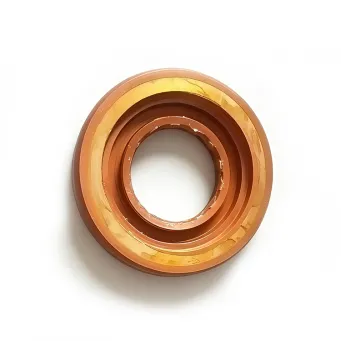
In the world of automotive engineering, understanding the differences between automotive oil seals and mechanical seals can save vehicle owners time, money, and unnecessary headaches. Many users frequently ask, "Which seal should I use for my application?" and "What are the real-world implications of choosing the wrong seal?" These questions stem from common pain points like leaks, decreased
Aug. 24, 2026
Pros and Cons of PTFE Automotive Oil Seals in High-Speed Applications
In high-performance automotive environments, the effectiveness of seals is pivotal, particularly in high-speed applications where pressure, temperature, and friction create distinct challenges. PTFE automotive oil seals, renowned for their chemical resistance and low friction properties, often emerge as a popular choice. However, selecting the right oil seal can be daunting, as users frequently
You may like these products


