- Email: jasper@dtooilseal.com
- WhatsApp: +86 183 3255 8601
Why More Buyers Prefer Manufacturers with In-House Mold Design Capabilities
When it comes to sourcing components like Skeleton Oil Seals, many buyers encounter significant challenges. Relying on third-party suppliers for mold design often leads to communication gaps, increased lead times, and unexpected costs. Buyers need to mitigate risks and ensure quality, as industry requirements remain increasingly stringent. For instance, a recent survey revealed that 72% of manufacturers experienced production delays due to unreliable mold sourcing. In contrast, opting for manufacturers with in-house mold design capabilities not only streamlines communication but also limits exposure to these pain points. This article will delve into why more buyers are leaning towards manufacturers like Dingtong, with comprehensive in-house solutions.
Manufacturers with in-house mold design capabilities offer numerous benefits that resonate with buyers. Firstly, they have complete control over the design process. A case study of a leading Skeleton Oil Seal Manufacturer showed that in-house capabilities reduced design time by 40% compared to outsourced designs. Moreover, in-house teams can iterate designs quickly based on direct feedback, reducing the total production time and minimizing errors.
According to a study published by the National Institute of Standards and Technology, companies that utilize in-house mold design see an improvement in production speed by an average of 25%, which directly correlates with increased customer satisfaction. Additionally, these manufacturers reported fewer defects, with a drop in the defect rate by up to 15%, leading to substantial savings in rework and wasted materials.
Analyzing the differences between in-house and outsourced mold design can reveal stark contrasts in performance. For instance, manufacturers that rely on in-house capabilities typically see a 30% reduction in lead times for new product launches compared to those outsourcing mold design. In a micro analysis, a manufacturer using in-house design processes could complete a project in 60 days, while partnering with an external vendor might stretch to 90 days or longer.

In conclusion, choosing a manufacturer with in-house mold design capabilities delivers measurable benefits in terms of cost, time, and quality. This strategy not only mitigates risks associated with outsourcing but also fosters innovation and responsiveness to market demands. Brands like Dingtong exemplify this value proposition, ensuring customers receive tailored solutions that align precisely with their needs.
If you\'re looking to streamline your sourcing process and improve your product outcomes, consider exploring the in-house mold design capabilities offered by Dingtong. Reach out for a consultation today!
In-house mold design minimizes lead times, enhances quality control, and promotes flexibility in design changes, ultimately leading to cost savings and higher customer satisfaction.
Manufacturers can typically save 25-40% in design time when utilizing in-house mold design capabilities.
Yes, studies have shown that manufacturers using in-house mold design experience a defect rate reduction of up to 15%, translating to fewer defects and lower costs in rework.
Recent News
Xingtai Dingtong Rubber is a professional products co., Ltd. production and sales of seals enterprises. Founded in 1996, it covers an area of 23,300 square meters, 26 machines, and 3200 kinds of molds. Our products are often exported to North America, Asia, Europe, Northern Europe, Southeast Asia, South Asia, Asia, South America, Africa.
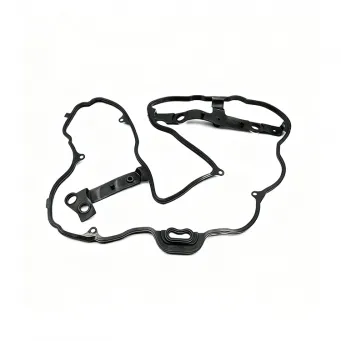
Sep. 28, 2026
Why Heat Resistance Is Critical for Automotive Engine Oil Seals
Engine oil seals play a vital role in the overall functionality of automotive engines, yet they often face significant challenges due to heat exposure. One major pain point for vehicle owners is the degradation of engine oil seals over time, leading to oil leakage and reduced engine efficiency. Without proper heat resistance, seals can fail, resulting in costly repairs and potential engine
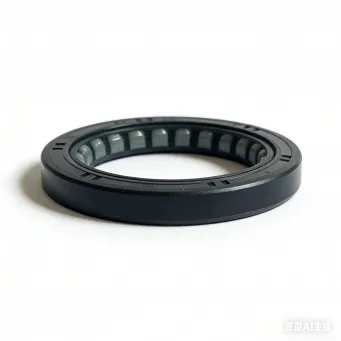
Sep. 28, 2026
How to Extend the Service Life of Automotive Oil Seals
When working with automotive oil seals, you're almost certainly faced with the constant challenge of ensuring they last as long as possible to maintain optimal performance and reduce costs. I can assure you, with a few practical steps, you can significantly extend the service life of your automotive oil seals. This guide will walk you through efficient methods to achieve this goal, ensuring a
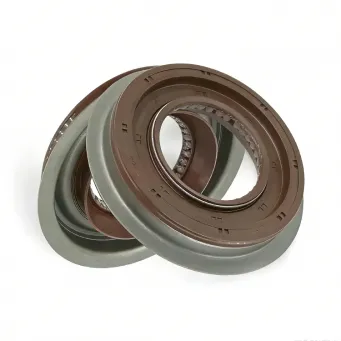
Sep. 28, 2026
How to Prevent Automotive Oil Seal Cracking in Cold Environments
Preventing automotive oil seal cracking in cold environments is a critical concern for those of us in the automotive industry, especially if we want to maintain the reliability of machinery and vehicles. I’m here to provide you with clear, actionable steps that can help you effectively safeguard your oil seals against the rigors of cold weather conditions. Ensuring that your oil seals remain
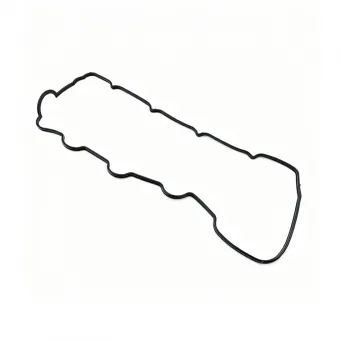
Aug. 24, 2026
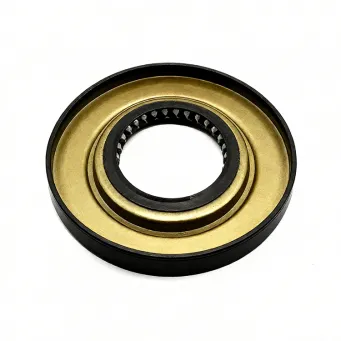
Top Features Buyers Look for in High-Performance Automotive Oil Seals
In today’s automotive market, the demand for high-performance oil seals is surging, driven by the need for enhanced engine efficiency and longevity. Car enthusiasts and automotive professionals face common pain points related to oil leaks, subpar performance, and accelerated wear and tear on engine components. To address these concerns, buyers must focus on key features when selecting oil
Aug. 24, 2026
Automotive Oil Seal vs Mechanical Seal: What’s the Difference
In the world of automotive engineering, understanding the differences between automotive oil seals and mechanical seals can save vehicle owners time, money, and unnecessary headaches. Many users frequently ask, "Which seal should I use for my application?" and "What are the real-world implications of choosing the wrong seal?" These questions stem from common pain points like leaks, decreased
Aug. 24, 2026
Pros and Cons of PTFE Automotive Oil Seals in High-Speed Applications
In high-performance automotive environments, the effectiveness of seals is pivotal, particularly in high-speed applications where pressure, temperature, and friction create distinct challenges. PTFE automotive oil seals, renowned for their chemical resistance and low friction properties, often emerge as a popular choice. However, selecting the right oil seal can be daunting, as users frequently
You may like these products


