- Email: jasper@dtooilseal.com
- WhatsApp: +86 183 3255 8601
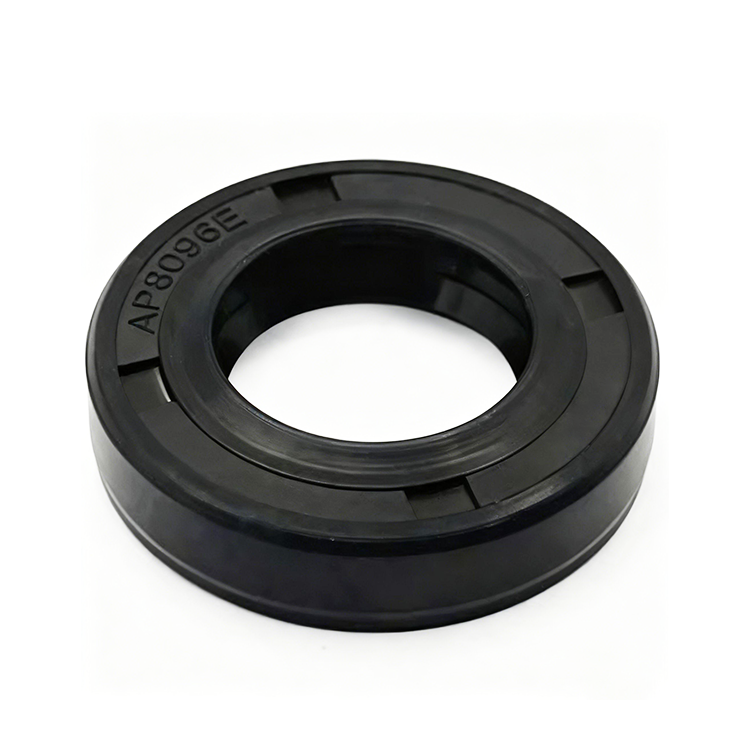
Why Low Friction Automotive Oil Seals Matter in Fuel Efficiency
In the automotive industry, the pursuit of fuel efficiency is more critical than ever. As consumers grow increasingly aware of environmental impacts and fuel costs, manufacturers are tasked with optimizing every component in a vehicle. One highly overlooked but paramount element is the low friction automotive oil seal. Poorly designed seals can result in unwanted friction, leading to excessive wear and ultimately, decreased fuel efficiency. In fact, a mere 1% increase in engine friction can lead to a 2% drop in vehicle fuel economy. This reduction may seem minor, but considering the vast number of vehicles on the road, the widespread implications of neglecting optimal oil seal technology are significant.
Understanding the underlying causes of this issue is crucial. The primary culprit behind inefficient fuel usage often lies in high-friction components within automotive systems. Traditional oil seals can introduce friction levels that hinder engine efficiency, leading to increased fuel consumption. As seals degrade over time, the friction they produce often creates additional heat, which not only exhausts energy but can also compromise lateral stability and lead to premature engine wear. This degradation is exacerbated by external factors such as contamination and environmental variances, further compounding the inefficiencies experienced by drivers.
From a business perspective, the effects of low-quality oil seals extend beyond just fuel efficiency. For manufacturers, poor seal performance can lead to higher warranty claims, increased servicing costs, and a tarnished reputation for reliability. Additionally, when businesses offer vehicles with lower fuel efficiency, they risk losing ground to competitors who are capitalizing on optimizing vehicle performance. Lower operational efficiency translates into reduced margins and ultimately affects the bottom line. When fleets or individual car owners witness a drop in miles per gallon, this dissatisfaction can lead to brand-switching behavior, which businesses can hardly afford in today\'s competitive marketplace.
In terms of hard data, a study into the effects of oil seal performance shows that incorporating low-friction seals can improve fuel economy by up to 5%. For example, a prominent automotive company reported that when they upgraded to advanced oil seals produced by Dingtong, their vehicles experienced a measurable increase in miles per gallon, translating to substantial cost savings over time. Furthermore, rigorous testing has demonstrated that precision manufacturing standards, such as those outlined by ASTM and DIN, are crucial in creating oil seals that maintain high-quality standards while addressing friction concerns.
Neglecting low-friction automotive oil seals not only results in reduced fuel efficiency but also increases the risk of engine failure, costly repairs, and diminished vehicle lifespan. Drivers risking poorly constructed seals might find themselves dealing with unforeseen breakdowns and heightened maintenance expenses. As consumer preferences shift towards eco-friendly and cost-effective solutions, businesses ignoring the importance of quality oil seals may suffer a loss in market relevance and trust. This scenario serves as a sobering reminder that addressing low friction in automotive oil seals should not be an afterthought; it’s essential to long-term sustainability and profitability.
In conclusion, improving fuel efficiency through low friction automotive oil seals is not just a technical consideration; it\'s a strategic imperative. The financial and operational benefits are significant, and with advancements from oil seal manufacturers like Dingtong, achieving optimal performance is more accessible than ever. As a reader, I urge you to consider the importance of investing in quality seals that meet strict industry standards. Addressing this small yet vital component could lead to substantial gains in efficiency, funding sustainability, and enhancing consumer satisfaction. Let’s make the shift towards better performing vehicles today by prioritizing low-friction automotive oil seals—because every fraction of efficiency counts. Visit Dingtong Oil Seal to learn more about how we can help your business and optimize your fleet.
Previous
NoneNext
How Automation Is Improving Automotive Oil Seal Manufacturing EfficiencyRecent News
Xingtai Dingtong Rubber is a professional products co., Ltd. production and sales of seals enterprises. Founded in 1996, it covers an area of 23,300 square meters, 26 machines, and 3200 kinds of molds. Our products are often exported to North America, Asia, Europe, Northern Europe, Southeast Asia, South Asia, Asia, South America, Africa.
Sep. 28, 2026
Why Heat Resistance Is Critical for Automotive Engine Oil Seals
Engine oil seals play a vital role in the overall functionality of automotive engines, yet they often face significant challenges due to heat exposure. One major pain point for vehicle owners is the degradation of engine oil seals over time, leading to oil leakage and reduced engine efficiency. Without proper heat resistance, seals can fail, resulting in costly repairs and potential engine
Sep. 28, 2026
How to Extend the Service Life of Automotive Oil Seals
When working with automotive oil seals, you're almost certainly faced with the constant challenge of ensuring they last as long as possible to maintain optimal performance and reduce costs. I can assure you, with a few practical steps, you can significantly extend the service life of your automotive oil seals. This guide will walk you through efficient methods to achieve this goal, ensuring a
Sep. 28, 2026
How to Prevent Automotive Oil Seal Cracking in Cold Environments
Preventing automotive oil seal cracking in cold environments is a critical concern for those of us in the automotive industry, especially if we want to maintain the reliability of machinery and vehicles. I’m here to provide you with clear, actionable steps that can help you effectively safeguard your oil seals against the rigors of cold weather conditions. Ensuring that your oil seals remain
Aug. 24, 2026
Top Features Buyers Look for in High-Performance Automotive Oil Seals
In today’s automotive market, the demand for high-performance oil seals is surging, driven by the need for enhanced engine efficiency and longevity. Car enthusiasts and automotive professionals face common pain points related to oil leaks, subpar performance, and accelerated wear and tear on engine components. To address these concerns, buyers must focus on key features when selecting oil
Aug. 24, 2026
Automotive Oil Seal vs Mechanical Seal: What’s the Difference
In the world of automotive engineering, understanding the differences between automotive oil seals and mechanical seals can save vehicle owners time, money, and unnecessary headaches. Many users frequently ask, "Which seal should I use for my application?" and "What are the real-world implications of choosing the wrong seal?" These questions stem from common pain points like leaks, decreased

Aug. 24, 2026
Pros and Cons of PTFE Automotive Oil Seals in High-Speed Applications
In high-performance automotive environments, the effectiveness of seals is pivotal, particularly in high-speed applications where pressure, temperature, and friction create distinct challenges. PTFE automotive oil seals, renowned for their chemical resistance and low friction properties, often emerge as a popular choice. However, selecting the right oil seal can be daunting, as users frequently
You may like these products