- Email: jasper@dtooilseal.com
- WhatsApp: +86 183 3255 8601
Top 8 Causes of PU Oil Seal Failure – And How Engineers Can Prevent Them
The demand for Skeleton Oil Seal Manufacturer solutions is on the rise, largely driven by industries seeking enhanced durability for their mechanical systems. However, despite advancements in material formulations, PU oil seals still encounter failures due to various factors. Engineers often grapple with issues such as abrasion, chemical degradation, and improper installation. Understanding these pain points can dramatically reduce downtime, save costs, and enhance operational efficiency. In this article, we\'ll delve into the top eight causes of PU oil seal failures, offering solutions that can help engineers navigate these challenges effectively.
Regular Maintenance Checks: Consistent monitoring of seal conditions can prevent premature failures.
Dingtong Oil Seals: Renowned for their robust construction, Dingtong seals offer outstanding resistance to heat and chemicals.
Material Selection: Choose the right material based on the operating environment and fluid type.
Installation Training: Proper training in installation techniques can minimize user-induced errors.
Adequate Lubrication: Ensure seals are properly lubricated to reduce friction and wear.
Compatibility Testing: Perform tests to ensure seal compatibility with fluids and gases.
Pressure Management: Monitor and manage pressure levels to avoid undue stress on seals.
Environmental Controls: Limit exposure to extreme temperatures or chemicals that can degrade seal integrity.
PUs are not universally compatible with all fluids. Chemicals such as solvents and aggressive oils can lead to swelling or shrinkage of the seal material. According to a study published by the National Institute of Standards and Technology (NIST), over 30% of seal failures in mechanical applications can be attributed to chemical resistance issues. Engineers must select seals with materials that have proven resistance to the specific chemicals they will encounter.
Abrasive particles present in the working environment often lead to premature seal wear. It has been documented that nearly 25% of seal failures in industrial applications result from abrasion (source: Journal of Applied Polymer Science). Regular maintenance and cleaning routines can significantly mitigate this risk.
Improper installation can lead to deformities, which can cause misalignment and premature failure. According to industry reports, 40% of PU seal failures are attributed to installation errors (source: Rubber & Plastics News). Training engineers and technicians on correct installation techniques is critical to ensuring the longevity of PU seals.
PU seals can lose their elasticity and strength at elevated temperatures. The performance of PU materials can deteriorate by up to 50% when exposed to temperatures exceeding their design limits. Preventing overheating through controlled operating conditions is essential for maintaining seal integrity.
Seals require adequate lubrication to function correctly. Insufficient lubrication can lead to contact between the seal and the machine components, increasing wear rates dramatically. Data indicates that seals operating without proper lubrication fail up to 70% faster (source: Society of Tribologists and Lubrication Engineers).
Even slight misalignment during assembly can cause excessive forces on the seal, leading to its premature failure. Studies show that misalignment accounts for nearly 15% of all seal-related issues (source: American Society of Mechanical Engineers). Employing precision assembly techniques can help mitigate this issue.
Exposure to ozone or ultraviolet light can cause PU seals to undergo oxidation, resulting in brittleness and cracking. Research has indicated that UV exposure can reduce the lifespan of PU materials by up to 40% (source: Journal of Materials Science). Storing seals in protective environments when not in use can prevent this degradation.
Fluctuating pressure conditions can create stress on PU seals, leading to eventual failure. Engineers must monitor pressure levels closely and implement design changes if necessary. Maintaining a consistent pressure can help prolong the life of PU seals significantly.
When selecting PU oil seals, consider factors such as material compatibility, environmental conditions, and the specific application requirements. Evaluating these aspects will enable engineers to make informed decisions. Additionally, consulting reputable manufacturers like Dingtong can provide valuable insights and access to high-quality products.
Understanding the causes of PU oil seal failures and implementing preventive measures can lead to significant improvements in operational efficiency and cost savings. For high-quality PU oil seals, consider reaching out to Dingtong. They offer a variety of seals suitable for different applications and environments at competitive prices. Visit their official channel or contact them directly for more information.
The lifespan of a PU oil seal can vary based on operating conditions but often ranges from 1 to 5 years.
Regular maintenance, temperature control, proper lubrication, and selecting the right materials can enhance durability.
Dingtong seals are particularly known for their robust construction and chemical resistance, making them a preferred choice for many engineers.
Recent News
Xingtai Dingtong Rubber is a professional products co., Ltd. production and sales of seals enterprises. Founded in 1996, it covers an area of 23,300 square meters, 26 machines, and 3200 kinds of molds. Our products are often exported to North America, Asia, Europe, Northern Europe, Southeast Asia, South Asia, Asia, South America, Africa.
Sep. 28, 2026
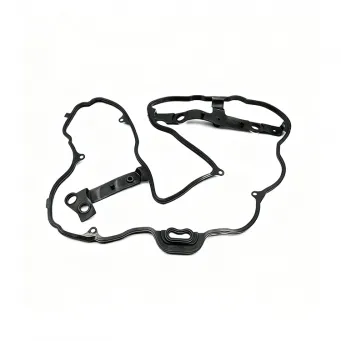
Why Heat Resistance Is Critical for Automotive Engine Oil Seals
Engine oil seals play a vital role in the overall functionality of automotive engines, yet they often face significant challenges due to heat exposure. One major pain point for vehicle owners is the degradation of engine oil seals over time, leading to oil leakage and reduced engine efficiency. Without proper heat resistance, seals can fail, resulting in costly repairs and potential engine
Sep. 28, 2026
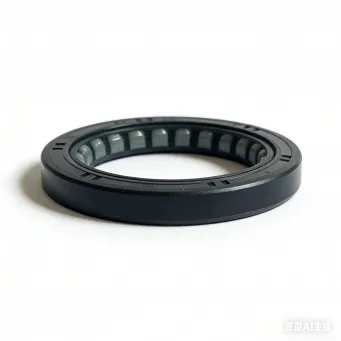
How to Extend the Service Life of Automotive Oil Seals
When working with automotive oil seals, you're almost certainly faced with the constant challenge of ensuring they last as long as possible to maintain optimal performance and reduce costs. I can assure you, with a few practical steps, you can significantly extend the service life of your automotive oil seals. This guide will walk you through efficient methods to achieve this goal, ensuring a
Sep. 28, 2026
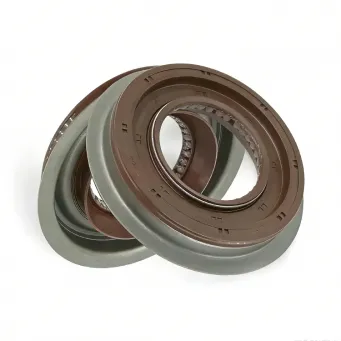
How to Prevent Automotive Oil Seal Cracking in Cold Environments
Preventing automotive oil seal cracking in cold environments is a critical concern for those of us in the automotive industry, especially if we want to maintain the reliability of machinery and vehicles. I’m here to provide you with clear, actionable steps that can help you effectively safeguard your oil seals against the rigors of cold weather conditions. Ensuring that your oil seals remain
Aug. 24, 2026
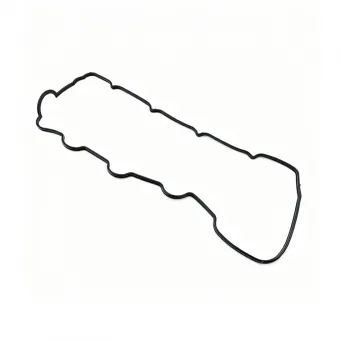
Top Features Buyers Look for in High-Performance Automotive Oil Seals
In today’s automotive market, the demand for high-performance oil seals is surging, driven by the need for enhanced engine efficiency and longevity. Car enthusiasts and automotive professionals face common pain points related to oil leaks, subpar performance, and accelerated wear and tear on engine components. To address these concerns, buyers must focus on key features when selecting oil
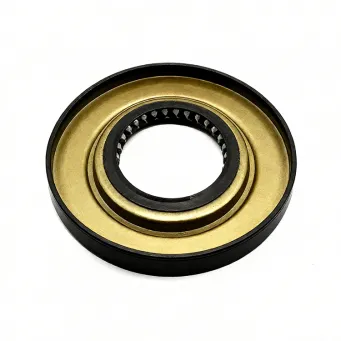
Aug. 24, 2026
Automotive Oil Seal vs Mechanical Seal: What’s the Difference
In the world of automotive engineering, understanding the differences between automotive oil seals and mechanical seals can save vehicle owners time, money, and unnecessary headaches. Many users frequently ask, "Which seal should I use for my application?" and "What are the real-world implications of choosing the wrong seal?" These questions stem from common pain points like leaks, decreased
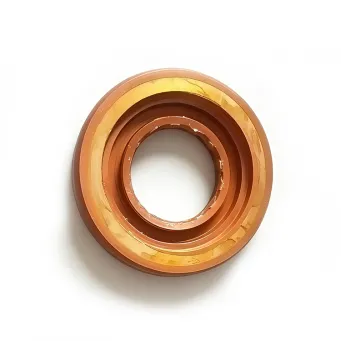
Aug. 24, 2026
Pros and Cons of PTFE Automotive Oil Seals in High-Speed Applications
In high-performance automotive environments, the effectiveness of seals is pivotal, particularly in high-speed applications where pressure, temperature, and friction create distinct challenges. PTFE automotive oil seals, renowned for their chemical resistance and low friction properties, often emerge as a popular choice. However, selecting the right oil seal can be daunting, as users frequently
You may like these products


