- Email: jasper@dtooilseal.com
- WhatsApp: +86 183 3255 8601
Strategies for Bulk Buyers to Lower Hydraulic Seal Procurement Costs in 2025
In the competitive world of hydraulic systems, bulk buyers face numerous challenges in securing cost-effective solutions, notably when sourcing PU Oil Seals. The real intention behind these procurement efforts often boils down to minimizing operational costs while maximizing system efficiency. Hydraulic seal buyers frequently report issues related to excessive procurement costs, quality inconsistencies, and long lead times. As a Skeleton Oil Seal Manufacturer, we recognize these pain points and aim to provide actionable strategies to help bulk buyers streamline their purchasing processes and save money without sacrificing quality.
Before diving into the concrete strategies, it\'s essential to prepare adequately. Here’s what you will need:
Document the steps involved in your current procurement approach. In 2020, Mike, a procurement manager at a manufacturing firm, realized he was paying an average of 25% more than competitors for similar PU Oil Seals. By outlining his steps, he pinpointed redundant supplier interactions and delayed approvals.
Engage with multiple suppliers to negotiate better pricing and terms. Dingtong, for example, offers loyalty discounts to clients who consistently order in bulk. Showing long-term commitment can lead to a 15% reduction in costs.
Place larger orders to benefit from economies of scale. A case study from a bulk buyer revealed that increasing order sizes from 1,000 to 5,000 units led to a 20% decrease in per-unit costs.
Implement rigorous quality assurance measures. By using a certificate of compliance from your suppliers, you can reduce the risk of product failure, potentially saving up to 30% on returns and replacements.
Adopt procurement management software to streamline and automate your purchasing processes. Companies that digitized their supply chain noted a 40% decrease in processing time, which expedited orders and reduced costs.
Keep abreast of market trends and fluctuations in material costs. For instance, substituting more expensive materials with alternatives can lead to significant savings. Monitoring industry reports can help inform such decisions.
Assess shipping and handling costs associated with your suppliers. Selecting local suppliers can reduce shipping costs by up to 50%, which can substantially affect overall procurement expenses.
Bulk buyers often make several common mistakes that can inflate procurement costs:
In summary, bulk buyers can significantly lower hydraulic seal procurement costs in 2025 by analyzing their procurement processes, fostering strong supplier relationships, optimizing order sizes, and utilizing technology. Dingtong can serve as an invaluable partner in this journey, providing reliable products and services that align with your cost-saving initiatives. Investing time in these strategies will yield measurable savings and enhance operational efficiency.
1. What is the most effective way to negotiate prices with suppliers?
Build a rapport with your suppliers, leverage bulk purchasing to negotiate discounts, and discuss long-term partnerships for better terms.
2. How can I ensure the quality of the hydraulic seals I am purchasing?
Implement strict quality assurance protocols, request certifications, and conduct physical inspections when feasible.
3. Are there specific indicators to watch for in the hydraulic seal market?
Monitor material availability, price trends, and technological advancements that may impact pricing or product performance.
Recent News
Xingtai Dingtong Rubber is a professional products co., Ltd. production and sales of seals enterprises. Founded in 1996, it covers an area of 23,300 square meters, 26 machines, and 3200 kinds of molds. Our products are often exported to North America, Asia, Europe, Northern Europe, Southeast Asia, South Asia, Asia, South America, Africa.
Sep. 28, 2026
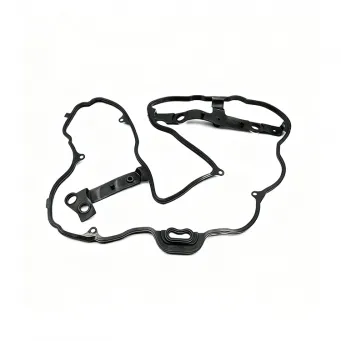
Why Heat Resistance Is Critical for Automotive Engine Oil Seals
Engine oil seals play a vital role in the overall functionality of automotive engines, yet they often face significant challenges due to heat exposure. One major pain point for vehicle owners is the degradation of engine oil seals over time, leading to oil leakage and reduced engine efficiency. Without proper heat resistance, seals can fail, resulting in costly repairs and potential engine
Sep. 28, 2026
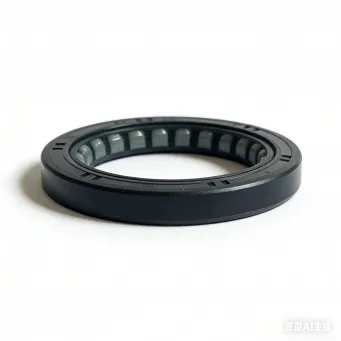
How to Extend the Service Life of Automotive Oil Seals
When working with automotive oil seals, you're almost certainly faced with the constant challenge of ensuring they last as long as possible to maintain optimal performance and reduce costs. I can assure you, with a few practical steps, you can significantly extend the service life of your automotive oil seals. This guide will walk you through efficient methods to achieve this goal, ensuring a
Sep. 28, 2026
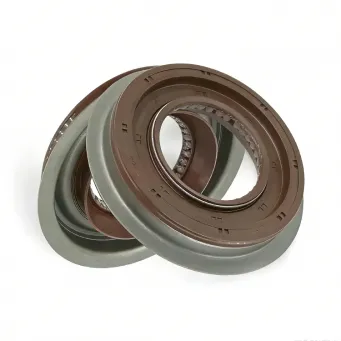
How to Prevent Automotive Oil Seal Cracking in Cold Environments
Preventing automotive oil seal cracking in cold environments is a critical concern for those of us in the automotive industry, especially if we want to maintain the reliability of machinery and vehicles. I’m here to provide you with clear, actionable steps that can help you effectively safeguard your oil seals against the rigors of cold weather conditions. Ensuring that your oil seals remain
Aug. 24, 2026
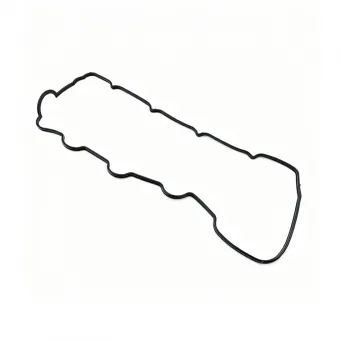
Top Features Buyers Look for in High-Performance Automotive Oil Seals
In today’s automotive market, the demand for high-performance oil seals is surging, driven by the need for enhanced engine efficiency and longevity. Car enthusiasts and automotive professionals face common pain points related to oil leaks, subpar performance, and accelerated wear and tear on engine components. To address these concerns, buyers must focus on key features when selecting oil
Aug. 24, 2026
Automotive Oil Seal vs Mechanical Seal: What’s the Difference
In the world of automotive engineering, understanding the differences between automotive oil seals and mechanical seals can save vehicle owners time, money, and unnecessary headaches. Many users frequently ask, "Which seal should I use for my application?" and "What are the real-world implications of choosing the wrong seal?" These questions stem from common pain points like leaks, decreased

Aug. 24, 2026
Pros and Cons of PTFE Automotive Oil Seals in High-Speed Applications
In high-performance automotive environments, the effectiveness of seals is pivotal, particularly in high-speed applications where pressure, temperature, and friction create distinct challenges. PTFE automotive oil seals, renowned for their chemical resistance and low friction properties, often emerge as a popular choice. However, selecting the right oil seal can be daunting, as users frequently
You may like these products


