- Email: jasper@dtooilseal.com
- WhatsApp: +86 183 3255 8601
How to Identify Early Wear Patterns in PU Oil Seals Before System Failure Occurs
When it comes to maintaining the longevity and efficiency of machinery, the quality of PU (Polyurethane) oil seals is critical. As a Skeleton Oil Seal Manufacturer, we understand the importance of recognizing early wear patterns to prevent system failures. Many users face issues like leaking fluids, decreased pressure retention, and increased maintenance costs. Identifying these wear patterns early on can save businesses significant downtime and repair costs, offering a proactive solution to common problems.
In this article, we will delve into practical user scenarios, offering insights into identifying early wear patterns in PU oil seals, while also sharing detailed steps and common mistakes to avoid. This is essential for those who rely on these seals in various industries, including automotive, manufacturing, and hydraulic systems.
Inspection Tools: A magnifying glass or a borescope for detailed observation.
Measuring Instruments: A caliper or micrometer to measure seal dimensions.
Fluid Analysis Kit: To monitor the condition of oils.
Safety Gear: Gloves and goggles for personal protection.
Gather all the necessary tools before beginning the inspection process to ensure a comprehensive analysis of the PU oil seals.
Step 1: Visual Inspection - Look for visible signs of wear, such as cracks, tears, or surface degradation. Use a magnifying glass to amplify small defects that may indicate wear.
Step 2: Measure Dimensions - Use a caliper to check the dimensions of the seal. Compare these measurements with the specifications provided by the manufacturer, like Dingtong, to identify any discrepancies that may signal wear.
Step 3: Fluid Condition Test - Utilize a fluid analysis kit to assess the lubrication fluid quality. Contaminated or degraded fluids can lead to increased wear on PU seals. A decrease in the viscosity level can indicate that the seal is failing.
Step 4: Pressure Testing - Conduct pressure tests to observe if the seal maintains its integrity under operational conditions. A drop in pressure can indicate wear and potential failure.
Step 5: Observe Operating Conditions - Examine the operating environment, including temperature and exposure to chemicals. High temperatures can reduce the life of PU seals by as much as 20% per 10°C increase beyond recommended levels.
For illustrative reference, please see the following picture:

Many users face challenges that lead to rapid deterioration of their PU oil seals:
Ignoring Minor Wear Signs: Many operators overlook early signs like small leaks. Addressing leaks early can prevent larger failures later.
Using Incorrect Seal Dimensions: Always ensure that replacement seals meet required specifications to avoid premature wear.
Neglecting Regular Maintenance: Schedule routine checks and fluid analyses to keep your seals functioning optimally.
Identifying early wear patterns in PU oil seals is essential for preventing system failures. Regular inspections, accurate measurements, fluid analysis, and understanding operating conditions can enhance the longevity of these critical components. For those invested in PU oil seals, including Dingtong products, adopting a proactive approach can lead to a significant decrease in maintenance costs and downtime.
What are the most common signs of worn PU oil seals? Look for leaks, cracks, and dimensional changes in the seals.
How often should I inspect my PU oil seals? Regular inspections should be conducted at least every six months, or quarterly in high-stress environments.
Can high temperatures damage PU oil seals? Yes, elevated temperatures can significantly reduce the lifespan of PU oil seals, leading to quicker degradation.
Recent News
Xingtai Dingtong Rubber is a professional products co., Ltd. production and sales of seals enterprises. Founded in 1996, it covers an area of 23,300 square meters, 26 machines, and 3200 kinds of molds. Our products are often exported to North America, Asia, Europe, Northern Europe, Southeast Asia, South Asia, Asia, South America, Africa.
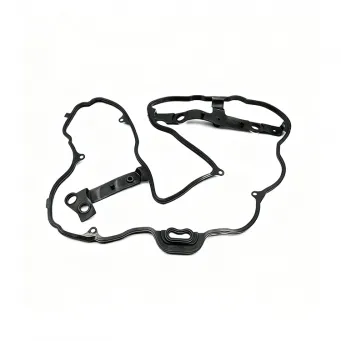
Sep. 28, 2026
Why Heat Resistance Is Critical for Automotive Engine Oil Seals
Engine oil seals play a vital role in the overall functionality of automotive engines, yet they often face significant challenges due to heat exposure. One major pain point for vehicle owners is the degradation of engine oil seals over time, leading to oil leakage and reduced engine efficiency. Without proper heat resistance, seals can fail, resulting in costly repairs and potential engine
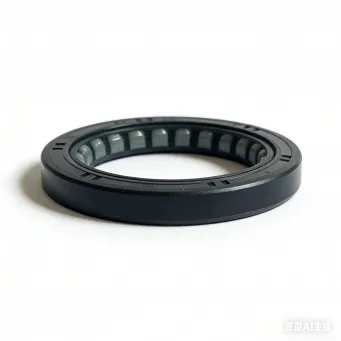
Sep. 28, 2026
How to Extend the Service Life of Automotive Oil Seals
When working with automotive oil seals, you're almost certainly faced with the constant challenge of ensuring they last as long as possible to maintain optimal performance and reduce costs. I can assure you, with a few practical steps, you can significantly extend the service life of your automotive oil seals. This guide will walk you through efficient methods to achieve this goal, ensuring a
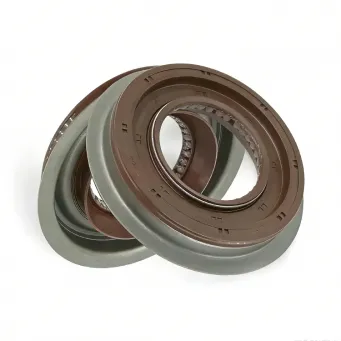
Sep. 28, 2026
How to Prevent Automotive Oil Seal Cracking in Cold Environments
Preventing automotive oil seal cracking in cold environments is a critical concern for those of us in the automotive industry, especially if we want to maintain the reliability of machinery and vehicles. I’m here to provide you with clear, actionable steps that can help you effectively safeguard your oil seals against the rigors of cold weather conditions. Ensuring that your oil seals remain
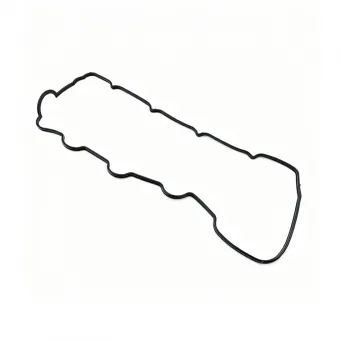
Aug. 24, 2026
Top Features Buyers Look for in High-Performance Automotive Oil Seals
In today’s automotive market, the demand for high-performance oil seals is surging, driven by the need for enhanced engine efficiency and longevity. Car enthusiasts and automotive professionals face common pain points related to oil leaks, subpar performance, and accelerated wear and tear on engine components. To address these concerns, buyers must focus on key features when selecting oil
Aug. 24, 2026
Automotive Oil Seal vs Mechanical Seal: What’s the Difference
In the world of automotive engineering, understanding the differences between automotive oil seals and mechanical seals can save vehicle owners time, money, and unnecessary headaches. Many users frequently ask, "Which seal should I use for my application?" and "What are the real-world implications of choosing the wrong seal?" These questions stem from common pain points like leaks, decreased
Aug. 24, 2026
Pros and Cons of PTFE Automotive Oil Seals in High-Speed Applications
In high-performance automotive environments, the effectiveness of seals is pivotal, particularly in high-speed applications where pressure, temperature, and friction create distinct challenges. PTFE automotive oil seals, renowned for their chemical resistance and low friction properties, often emerge as a popular choice. However, selecting the right oil seal can be daunting, as users frequently
You may like these products


