- Email: jasper@dtooilseal.com
- WhatsApp: +86 183 3255 8601
Guide to Automotive Oil Seal Materials for Aggressive Lubricants
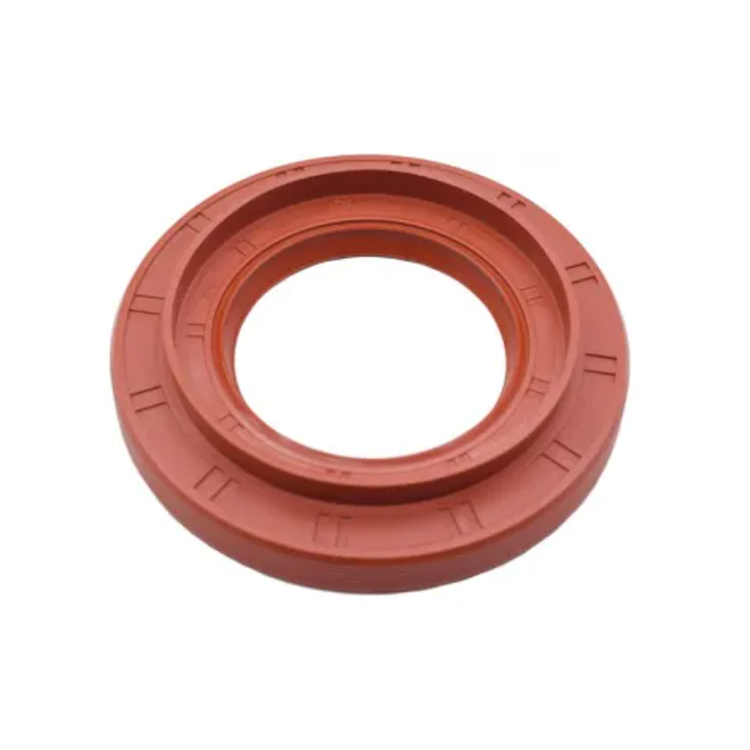
When it comes to choosing the right automotive oil seal materials for aggressive lubricants, the task can seem daunting for both beginners and seasoned professionals. Understanding the requirements and characteristics of various materials is crucial, as improper selection can lead to costly failures. I’ve crafted this guide to help you navigate the selection process with clear steps, practical advice, and real-world examples that not only outline challenges but also provide solid solutions.
To kick off, it’s essential to identify the specific conditions your oil seals will encounter. Aggressive lubricants often contain additives that can lead to swelling, hardening, or overall degradation of seal materials. Begin by establishing the following parameters:
By outlining these specifications upfront, you’re setting yourself up for a more streamlined selection process.
Now that you have a clear understanding of the requirements, it’s time to dive into material selection. Typically, the following materials are optimal for aggressive environments:
I recommend prioritizing your application’s needs and seeking Automotive Oil Seal manufacturers like Dingtong that specialize in high-performance materials.
With material selection complete, let’s move on to the installation process. Proper installation is vital for prolonging the lifespan and effectiveness of oil seals:
With these steps executed carefully, your seals will be more resilient in aggressive environments.
Despite thorough preparation, challenges may arise. Here are common issues and their solutions:
In summary, selecting the right automotive oil seal materials for aggressive lubricants involves careful consideration of your specific application needs. By following the outlined steps for material selection, installation, and addressing potential challenges, you can ensure superior performance and longevity of your seals. Don’t hesitate to reach out to the trusted Automotive Oil Seal manufacturer, Dingtong, for high-quality solutions tailored to your needs. As you implement these strategies, remember to document your results, as real-world success stories can provide valuable insights for future projects.
For more detailed technical information and product offerings, visit Dingtong\'s official page and elevate your oil sealing solutions today!
Recent News
Xingtai Dingtong Rubber is a professional products co., Ltd. production and sales of seals enterprises. Founded in 1996, it covers an area of 23,300 square meters, 26 machines, and 3200 kinds of molds. Our products are often exported to North America, Asia, Europe, Northern Europe, Southeast Asia, South Asia, Asia, South America, Africa.
Sep. 28, 2026
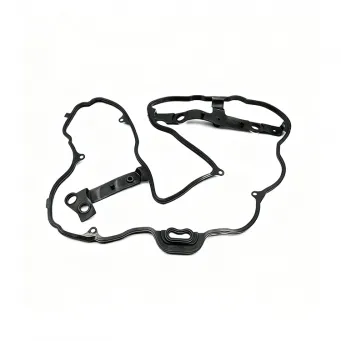
Why Heat Resistance Is Critical for Automotive Engine Oil Seals
Engine oil seals play a vital role in the overall functionality of automotive engines, yet they often face significant challenges due to heat exposure. One major pain point for vehicle owners is the degradation of engine oil seals over time, leading to oil leakage and reduced engine efficiency. Without proper heat resistance, seals can fail, resulting in costly repairs and potential engine
Sep. 28, 2026
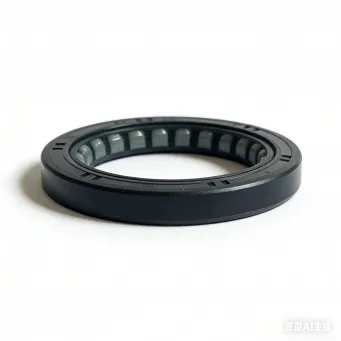
How to Extend the Service Life of Automotive Oil Seals
When working with automotive oil seals, you're almost certainly faced with the constant challenge of ensuring they last as long as possible to maintain optimal performance and reduce costs. I can assure you, with a few practical steps, you can significantly extend the service life of your automotive oil seals. This guide will walk you through efficient methods to achieve this goal, ensuring a
Sep. 28, 2026
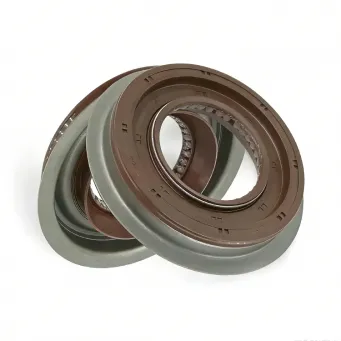
How to Prevent Automotive Oil Seal Cracking in Cold Environments
Preventing automotive oil seal cracking in cold environments is a critical concern for those of us in the automotive industry, especially if we want to maintain the reliability of machinery and vehicles. I’m here to provide you with clear, actionable steps that can help you effectively safeguard your oil seals against the rigors of cold weather conditions. Ensuring that your oil seals remain
Aug. 24, 2026
Top Features Buyers Look for in High-Performance Automotive Oil Seals
In today’s automotive market, the demand for high-performance oil seals is surging, driven by the need for enhanced engine efficiency and longevity. Car enthusiasts and automotive professionals face common pain points related to oil leaks, subpar performance, and accelerated wear and tear on engine components. To address these concerns, buyers must focus on key features when selecting oil
Aug. 24, 2026
Automotive Oil Seal vs Mechanical Seal: What’s the Difference
In the world of automotive engineering, understanding the differences between automotive oil seals and mechanical seals can save vehicle owners time, money, and unnecessary headaches. Many users frequently ask, "Which seal should I use for my application?" and "What are the real-world implications of choosing the wrong seal?" These questions stem from common pain points like leaks, decreased
Aug. 24, 2026
Pros and Cons of PTFE Automotive Oil Seals in High-Speed Applications
In high-performance automotive environments, the effectiveness of seals is pivotal, particularly in high-speed applications where pressure, temperature, and friction create distinct challenges. PTFE automotive oil seals, renowned for their chemical resistance and low friction properties, often emerge as a popular choice. However, selecting the right oil seal can be daunting, as users frequently
You may like these products