- Email: jasper@dtooilseal.com
- WhatsApp: +86 183 3255 8601
Breakthrough PU Formulations: Enhancing Wear Resistance for Heavy-Duty Applications
Polyurethane (PU) has become a leading material used in the manufacturing of oil seals due to its excellent durability and flexibility. With the ever-growing demand for higher performance components in heavy-duty applications, breakthrough PU formulations are enhancing wear resistance, effectively addressing the challenges faced by various industries. This article explores the advancements in PU formulations, focusing on their key benefits, and how they cater to user needs in demanding environments.
To effectively address the need for enhanced wear resistance in heavy-duty applications, it is important to understand the pain points faced by industries relying on PU components:
High friction and abrasion leading to premature failure.
Environmental factors affecting material integrity.
Increased maintenance costs due to frequent replacements.
Limited performance under extreme conditions.
Wear-related problems in PU oil seals often arise due to:
Contamination from foreign particles.
Temperature fluctuations causing thermal degradation.
Lack of lubrication in critical areas.
Recent advancements in PU formulations have led to significant improvements in wear resistance. Here are some of the innovations revolutionizing the industry:
Enhanced Polymer Blends: Using reinforced polymer blends to reduce wear.
Advanced Additives: Incorporating specialized additives to increase durability.
Coatings and Treatments: Applying protective coatings to extend product life.
Smart Formulations: Developing adaptive materials that respond to environmental changes.
| Formulation Type | Benefits | Application Areas |
|---|---|---|
| Reinforced Blends | Higher tensile strength and resistance | Heavy machinery, automotive |
| Adaptive Materials | Improved response to temperature changes | Aerospace, oil & gas |
To further understand the impact of breakthrough PU formulations, we examine real-world applications where these innovations have been implemented:
Construction Equipment: Use of high-performance PU seals in hydraulic systems minimizes downtime.
Aerospace Components: PU seals exhibiting superior heat resistance enhance reliability.
Automotive Industry: Implementation of wear-resistant seals increases engine efficiency.

Identify the material requirements.
Choose the appropriate PU formulation.
Test and validate performance under operational conditions.
Implement in manufacturing processes.
The evolution of PU formulations significantly enhances wear resistance, providing solutions to the common pain points faced by industries utilizing heavy-duty applications. These advancements not only reduce operational costs but also extend the lifespan of critical components, making them an invaluable asset for manufacturers and distributors alike. Adopting these innovations is key to achieving higher performance standards in the competitive market.
Recent News
Xingtai Dingtong Rubber is a professional products co., Ltd. production and sales of seals enterprises. Founded in 1996, it covers an area of 23,300 square meters, 26 machines, and 3200 kinds of molds. Our products are often exported to North America, Asia, Europe, Northern Europe, Southeast Asia, South Asia, Asia, South America, Africa.
Sep. 28, 2026
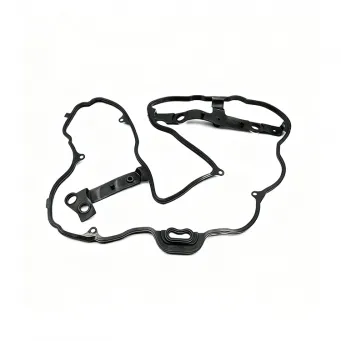
Why Heat Resistance Is Critical for Automotive Engine Oil Seals
Engine oil seals play a vital role in the overall functionality of automotive engines, yet they often face significant challenges due to heat exposure. One major pain point for vehicle owners is the degradation of engine oil seals over time, leading to oil leakage and reduced engine efficiency. Without proper heat resistance, seals can fail, resulting in costly repairs and potential engine
Sep. 28, 2026
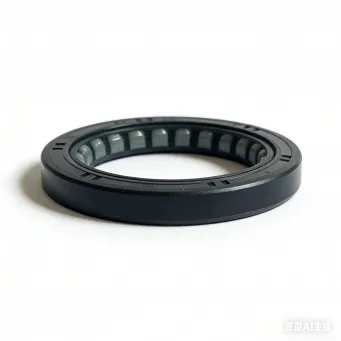
How to Extend the Service Life of Automotive Oil Seals
When working with automotive oil seals, you're almost certainly faced with the constant challenge of ensuring they last as long as possible to maintain optimal performance and reduce costs. I can assure you, with a few practical steps, you can significantly extend the service life of your automotive oil seals. This guide will walk you through efficient methods to achieve this goal, ensuring a
Sep. 28, 2026
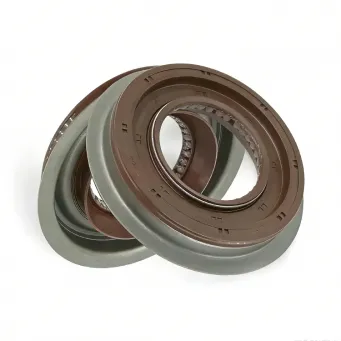
How to Prevent Automotive Oil Seal Cracking in Cold Environments
Preventing automotive oil seal cracking in cold environments is a critical concern for those of us in the automotive industry, especially if we want to maintain the reliability of machinery and vehicles. I’m here to provide you with clear, actionable steps that can help you effectively safeguard your oil seals against the rigors of cold weather conditions. Ensuring that your oil seals remain
Aug. 24, 2026
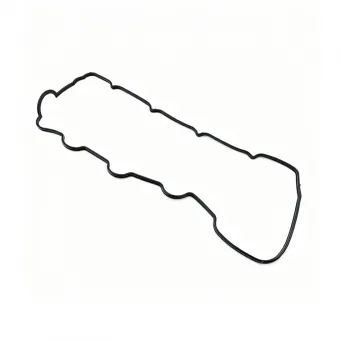
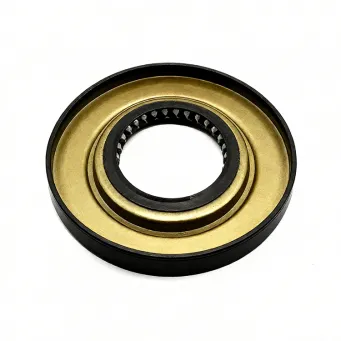
Top Features Buyers Look for in High-Performance Automotive Oil Seals
In today’s automotive market, the demand for high-performance oil seals is surging, driven by the need for enhanced engine efficiency and longevity. Car enthusiasts and automotive professionals face common pain points related to oil leaks, subpar performance, and accelerated wear and tear on engine components. To address these concerns, buyers must focus on key features when selecting oil
Aug. 24, 2026
Automotive Oil Seal vs Mechanical Seal: What’s the Difference
In the world of automotive engineering, understanding the differences between automotive oil seals and mechanical seals can save vehicle owners time, money, and unnecessary headaches. Many users frequently ask, "Which seal should I use for my application?" and "What are the real-world implications of choosing the wrong seal?" These questions stem from common pain points like leaks, decreased
Aug. 24, 2026
Pros and Cons of PTFE Automotive Oil Seals in High-Speed Applications
In high-performance automotive environments, the effectiveness of seals is pivotal, particularly in high-speed applications where pressure, temperature, and friction create distinct challenges. PTFE automotive oil seals, renowned for their chemical resistance and low friction properties, often emerge as a popular choice. However, selecting the right oil seal can be daunting, as users frequently
You may like these products


