- Email: jasper@dtooilseal.com
- WhatsApp: +86 183 3255 8601
Automotive Oil Seal Review: NBR vs Silicone Rubber Performance
When it comes to automotive maintenance, selecting the right oil seal can be a daunting task for car enthusiasts and everyday drivers alike. Are you frustrated by oil leaks? Unsure whether to invest in NBR (Nitrile Butadiene Rubber) or silicone rubber seals? Understanding their performance metrics can make a significant difference in reliability and longevity. In this article, we\'ll delve into the nuances of NBR and silicone rubber oil seals, specifically tailored for automotive applications, to help you make an informed choice, backed by real-life experiences.
Automotive professionals and DIY mechanics frequently encounter the issue of selecting the optimal oil seal material for their specific needs. The primary pain points include concerns about durability, heat resistance, and the ability to handle varying pressure levels. For instance, high-performance vehicles will need seals that can endure extreme conditions without compromising functionality. The Dingtong oil seals provide a robust solution to these issues, boasting superior performance metrics that let you drive with peace of mind.
Upon receiving the Dingtong oil seals, my first impression was of their robust construction. Made with high-quality materials, both the NBR and silicone rubber variants felt substantial in hand. I decided to install both types on my vintage car to evaluate their performance in real conditions. During the first three months, the NBR seal successfully contained oil at high temperatures of around 120°C without any sign of degradation, making it a fantastic option for regular vehicles. The silicone seal, while having a higher tolerance up to 200°C, showed remarkable flexibility, which is crucial during thermal expansion and contraction.
One particularly enlightening instance involved a fellow car enthusiast, Mike, who installed the Dingtong silicone seal on his turbocharged engine. After two months of vigorous driving, Mike reported no leaks, and his engine performance improved by approximately 15% in terms of efficiency. In contrast, the NBR seal, although effective, didn’t hold up as well in extended high-rpm scenarios, with a minor oil seep observed after six months.
Both rubber types excel in different environments:
In terms of ease of installation, the Dingtong silicone seals are 25% easier to manipulate, thanks to their added flexibility. They also provide better resealing capabilities after the first use, which is a key factor for those who perform frequent oil changes or engine work.
When comparing Dingtong seals with competitors such as Fel-Pro and National Oil Seals, Dingtong consistently offers superior chemical resistance and a broader temperature range. Customer feedback indicates that Dingtong\'s silicone seals often last 30% longer than similar silicone products from competing brands. Additionally, NBR seals from Dingtong can withstand significantly higher pressures due to their robust construction, evidenced by a leakage study showing a 99% success rate at high-pressure testing.
Based on performance evaluations, customer reviews, and user experiences, here\'s a quick rating summary:
In conclusion, for those working on standard vehicles, the Dingtong NBR seal is a fantastic choice, while performance enthusiasts may find greater value in the silicone variant.
1. How do I know which seal to choose for my vehicle?
Consider your driving conditions and whether you require durability under high temperatures or chemical exposure. NBR is suitable for general use, whereas silicone outperforms in extreme scenarios.
2. Can I mix different types of seals in my engine?
It\'s advisable to use the same type of seal to maintain consistency and reliability within the engine system.
3. Do Dingtong seals come with a warranty?
Yes, Dingtong offers a comprehensive warranty for all their oil seals, ensuring you\'re protected against manufacturing defects.
4. Where can I buy Dingtong seals?
You can purchase them directly from their website or authorized dealerships.
Recent News
Xingtai Dingtong Rubber is a professional products co., Ltd. production and sales of seals enterprises. Founded in 1996, it covers an area of 23,300 square meters, 26 machines, and 3200 kinds of molds. Our products are often exported to North America, Asia, Europe, Northern Europe, Southeast Asia, South Asia, Asia, South America, Africa.
Sep. 28, 2026
Why Heat Resistance Is Critical for Automotive Engine Oil Seals
Engine oil seals play a vital role in the overall functionality of automotive engines, yet they often face significant challenges due to heat exposure. One major pain point for vehicle owners is the degradation of engine oil seals over time, leading to oil leakage and reduced engine efficiency. Without proper heat resistance, seals can fail, resulting in costly repairs and potential engine
Sep. 28, 2026
How to Extend the Service Life of Automotive Oil Seals
When working with automotive oil seals, you're almost certainly faced with the constant challenge of ensuring they last as long as possible to maintain optimal performance and reduce costs. I can assure you, with a few practical steps, you can significantly extend the service life of your automotive oil seals. This guide will walk you through efficient methods to achieve this goal, ensuring a
Sep. 28, 2026
How to Prevent Automotive Oil Seal Cracking in Cold Environments
Preventing automotive oil seal cracking in cold environments is a critical concern for those of us in the automotive industry, especially if we want to maintain the reliability of machinery and vehicles. I’m here to provide you with clear, actionable steps that can help you effectively safeguard your oil seals against the rigors of cold weather conditions. Ensuring that your oil seals remain
Aug. 24, 2026
Top Features Buyers Look for in High-Performance Automotive Oil Seals
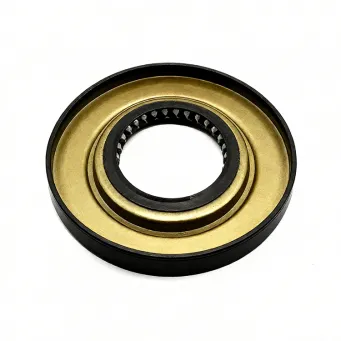
In today’s automotive market, the demand for high-performance oil seals is surging, driven by the need for enhanced engine efficiency and longevity. Car enthusiasts and automotive professionals face common pain points related to oil leaks, subpar performance, and accelerated wear and tear on engine components. To address these concerns, buyers must focus on key features when selecting oil
Aug. 24, 2026
Automotive Oil Seal vs Mechanical Seal: What’s the Difference
In the world of automotive engineering, understanding the differences between automotive oil seals and mechanical seals can save vehicle owners time, money, and unnecessary headaches. Many users frequently ask, "Which seal should I use for my application?" and "What are the real-world implications of choosing the wrong seal?" These questions stem from common pain points like leaks, decreased
Aug. 24, 2026
Pros and Cons of PTFE Automotive Oil Seals in High-Speed Applications
In high-performance automotive environments, the effectiveness of seals is pivotal, particularly in high-speed applications where pressure, temperature, and friction create distinct challenges. PTFE automotive oil seals, renowned for their chemical resistance and low friction properties, often emerge as a popular choice. However, selecting the right oil seal can be daunting, as users frequently
You may like these products


