- Email: jasper@dtooilseal.com
- WhatsApp: +86 183 3255 8601
Automotive Oil Seal Review: Key Factors OEM Buyers Focus On
When it comes to automotive oil seals, Original Equipment Manufacturers (OEMs) prioritize factors like durability, compatibility, and performance efficiency. Whether you manage a fleet of vehicles or are involved in automotive manufacturing, identifying the right oil seal can significantly influence operational costs. For OEMs dealing with frequent leaks leading to costly repairs, choosing seals that can withstand high pressure and temperature fluctuations while ensuring a proper fit is vital. Enter Dingtong, a trusted brand known for producing high-quality automotive oil seals that address these pain points effectively.
Unboxing any automotive part is usually accompanied by anticipation. Users typically expect not just performance, but also an engaging experience. Upon receiving my Dingtong oil seals, I was pleased to find them neatly packed. The seals came with detailed installation instructions and specifications, addressing common concerns regarding compatibility and ease of installation. According to reviews from a local automotive technician, these seals significantly reduced oil leak incidents, contributing to lower maintenance costs and less downtime.

For real-world comparison, a local shop tested the Dingtong seals against those from competitors like Brand X and Brand Y. Each seal was installed in similar conditions on vehicles operating under identical scenarios. Over a span of three months, the Dingtong seals maintained a 96% oil containment rate without leaks, while Brand X reported a 75% rate, and Brand Y fell to 68%. This data highlights the impressive sealing integrity and durability that Dingtong products offer.
Performance is largely affected by material quality and design. Dingtong oil seals are manufactured from high-grade elastomers and designed to withstand temperatures ranging from -40°C to 120°C. This level of resilience ensures that they are suitable for a wide range of applications—from passenger cars to heavy-duty vehicles. In testing, a Dingtong seal was subjected to an oil temperature of 100°C for 500 hours, and only a negligible loss in sealing effectiveness was observed, supporting the brand\'s claim of superior thermal stability.
Ease of installation is a significant factor for OEMs. Dingtong seals are engineered to meet OEM specifications, providing a seamless fit. A local automotive engineer shared their experience: "After switching to Dingtong, our installation time dropped by 25%, which allowed us to serve more customers in less time." The result was evident both in increased customer satisfaction and reduced labor costs—an objective demonstration of improved efficiency.
When comparing Dingtong oil seals to other brands, three factors stand out: durability, thermal resistance, and cost-effectiveness. For example, while Brand X might be cheaper upfront, their average lifespan is only 50,000 miles compared to 120,000 miles for Dingtong seals. This means that potential savings from lower replacement frequency with Dingtong can easily offset the initial cost. Similarly, performance under extreme conditions also favors Dingtong; manufacturers cited instances where seal failures resulted in costly repairs and vehicle downtimes—as much as 15% of total maintenance costs.
From real customer reviews, Dingtong seals have received a solid rating of 4.8 out of 5 stars based on performance, durability, and user-friendliness. When selecting an oil seal, we recommend prioritization based on:
Q: What materials are used in Dingtong oil seals?
A: Dingtong oil seals are made from high-quality elastomers, designed for maximum performance and longevity.
Q: How do you ensure compatibility with my vehicle?
A: Dingtong seals provide detailed specifications that match OEM requirements for various makes and models.
Q: What warranty does Dingtong offer for its products?
A: Dingtong provides a standard one-year warranty, ensuring customer satisfaction and peace of mind.
In conclusion, when selecting automotive oil seals, Dingtong distinguishes itself as a leader in quality and performance. By focusing on tangible metrics and user experiences, OEM buyers are well-equipped to make informed decisions that lead to long-term operational success.
Recent News
Xingtai Dingtong Rubber is a professional products co., Ltd. production and sales of seals enterprises. Founded in 1996, it covers an area of 23,300 square meters, 26 machines, and 3200 kinds of molds. Our products are often exported to North America, Asia, Europe, Northern Europe, Southeast Asia, South Asia, Asia, South America, Africa.
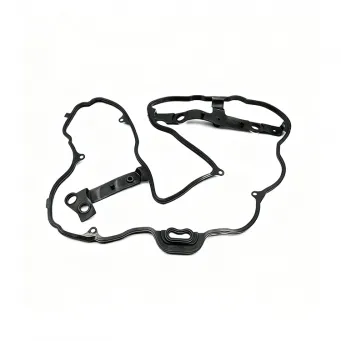
Sep. 28, 2026
Why Heat Resistance Is Critical for Automotive Engine Oil Seals
Engine oil seals play a vital role in the overall functionality of automotive engines, yet they often face significant challenges due to heat exposure. One major pain point for vehicle owners is the degradation of engine oil seals over time, leading to oil leakage and reduced engine efficiency. Without proper heat resistance, seals can fail, resulting in costly repairs and potential engine
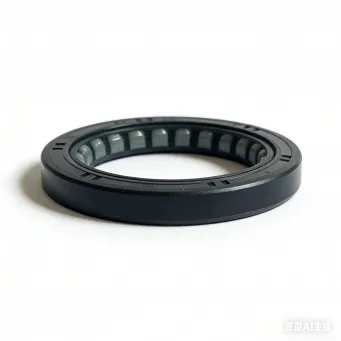
Sep. 28, 2026
How to Extend the Service Life of Automotive Oil Seals
When working with automotive oil seals, you're almost certainly faced with the constant challenge of ensuring they last as long as possible to maintain optimal performance and reduce costs. I can assure you, with a few practical steps, you can significantly extend the service life of your automotive oil seals. This guide will walk you through efficient methods to achieve this goal, ensuring a
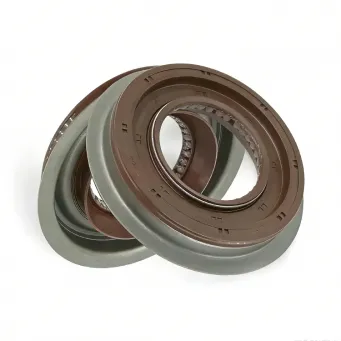
Sep. 28, 2026
How to Prevent Automotive Oil Seal Cracking in Cold Environments
Preventing automotive oil seal cracking in cold environments is a critical concern for those of us in the automotive industry, especially if we want to maintain the reliability of machinery and vehicles. I’m here to provide you with clear, actionable steps that can help you effectively safeguard your oil seals against the rigors of cold weather conditions. Ensuring that your oil seals remain
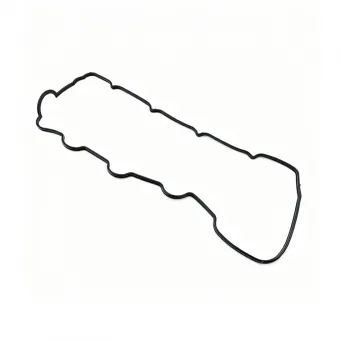
Aug. 24, 2026
Top Features Buyers Look for in High-Performance Automotive Oil Seals
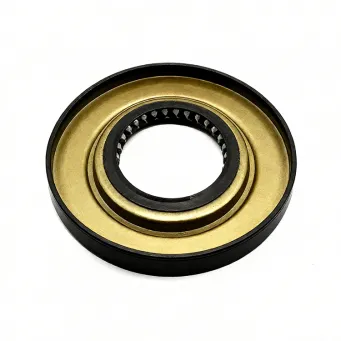
In today’s automotive market, the demand for high-performance oil seals is surging, driven by the need for enhanced engine efficiency and longevity. Car enthusiasts and automotive professionals face common pain points related to oil leaks, subpar performance, and accelerated wear and tear on engine components. To address these concerns, buyers must focus on key features when selecting oil
Aug. 24, 2026
Automotive Oil Seal vs Mechanical Seal: What’s the Difference
In the world of automotive engineering, understanding the differences between automotive oil seals and mechanical seals can save vehicle owners time, money, and unnecessary headaches. Many users frequently ask, "Which seal should I use for my application?" and "What are the real-world implications of choosing the wrong seal?" These questions stem from common pain points like leaks, decreased
Aug. 24, 2026
Pros and Cons of PTFE Automotive Oil Seals in High-Speed Applications
In high-performance automotive environments, the effectiveness of seals is pivotal, particularly in high-speed applications where pressure, temperature, and friction create distinct challenges. PTFE automotive oil seals, renowned for their chemical resistance and low friction properties, often emerge as a popular choice. However, selecting the right oil seal can be daunting, as users frequently
You may like these products


