- Email: jasper@dtooilseal.com
- WhatsApp: +86 183 3255 8601
Why Automotive EV Systems Require Advanced Oil Seal Technology
As we navigate the transformative landscape of the auto industry, one critical issue stands out: the integrity and efficiency of automotive EV systems. At the core of this dilemma lies the performance of oil seals, a seemingly small component that plays a giant role in the functionality of electric vehicles. Advanced oil seal technology is not just a luxury but a necessity for ensuring the longevity and reliability of EV systems. Failing to address this issue can lead to significant operational risks, including decreased efficiency, increased maintenance costs, and potential system failures. In the high-stakes automotive market, where every component counts, ignoring the need for advanced oil seal technology could jeopardize not only vehicle performance but also the reputations of manufacturers and their clientele.
Delving deeper into the causes behind the susceptibility of EV systems to seal failures points to several interconnected factors. The first is the demanding operational environment in which these vehicles operate. EVs are often subjected to extreme temperatures and aggressive driving conditions, which can strain oil seals. The chemical composition of lubricants used in EV drivetrains has evolved, requiring seals that can withstand new formulations without degrading. Additionally, as manufacturers advance toward higher efficiency, the tolerances of components have tightened—sometimes down to a precision of 0.01mm. This places even greater demands on oil seals, making advanced technology essential for maintaining effective barriers against fluid leakage and contamination.
The repercussions of neglecting the importance of advanced oil seal technology extend far beyond the immediate operational sphere. For businesses in the automotive industry, compromised oil seals can lead to warranty claims, increased customer complaints, and damage to brand reputation. Consider a case study involving a prominent automotive manufacturer that faced substantial losses from EV production delays caused by seal failures. The company had to recall thousands of units, costing them millions in both production and consumer trust. The ripple effects involved not just financial strain but also a tarnished reputation in an industry where consumer loyalty is paramount.
Statistics reinforce the importance of this issue. A recent study indicated that over 30% of EV maintenance costs were attributable to drivetrain issues linked to compromised seals. When manufacturers do not invest in superior oil seal products, they may save upfront costs but incur far greater expenses in service and warranty claims. According to ASTM standards, oil seals must undergo rigorous testing, including aging and fluid resistance evaluations, to ensure that they can withstand real-world conditions. Accepting inferior components compromises these standards, leading to dire consequences, as illustrated by the aforementioned case study.
Neglecting the need for advanced oil seal technology carries with it potential pitfalls that can irreparably harm businesses. As automotive landscapes shift and competition intensifies, manufacturers who fail to prioritize state-of-the-art sealing solutions may find themselves at a disadvantage. Increased operational failures can lead to depleted resources due to unforeseen repairs, eroding profit margins while frustrating consumers who expect nothing less than exceptional quality. The cost of underestimating the importance of precision-engineered seals is steep, as the initial savings pale in comparison to the long-term effects of consumer dissatisfaction and loss of market share.
Understanding the critical role of advanced oil seal technology in automotive EV systems is not merely an academic exercise; it is a call to action. To navigate the complexities of modern electric vehicle design successfully, manufacturers need to collaborate with industry-leading suppliers like Dingtong, specializing in high-quality automotive oil seals. Investing in superior technology not only safeguards your products but also embodies a commitment to excellence that discerning customers expect. With a response time of just 24 hours and thorough inspection protocols adhering to the highest standards, suppliers like Dingtong can enhance vehicle performance while ensuring compliance with rigorous industry benchmarks.
In conclusion, the conversation surrounding why automotive EV systems require advanced oil seal technology is one that affects every stakeholder in the industry. I urge manufacturers, engineers, and decision-makers to invest in these critical components. Only then can we ensure not just the viability of our products, but also the trust our customers place in us. Don't overlook the importance of precision and quality in automotive construction—take action today and secure the future of electric mobility.
Recent News
Xingtai Dingtong Rubber is a professional products co., Ltd. production and sales of seals enterprises. Founded in 1996, it covers an area of 23,300 square meters, 26 machines, and 3200 kinds of molds. Our products are often exported to North America, Asia, Europe, Northern Europe, Southeast Asia, South Asia, Asia, South America, Africa.
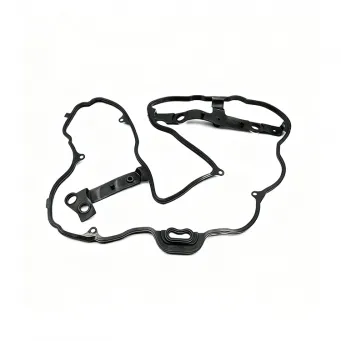
Sep. 28, 2026
Why Heat Resistance Is Critical for Automotive Engine Oil Seals
Engine oil seals play a vital role in the overall functionality of automotive engines, yet they often face significant challenges due to heat exposure. One major pain point for vehicle owners is the degradation of engine oil seals over time, leading to oil leakage and reduced engine efficiency. Without proper heat resistance, seals can fail, resulting in costly repairs and potential engine
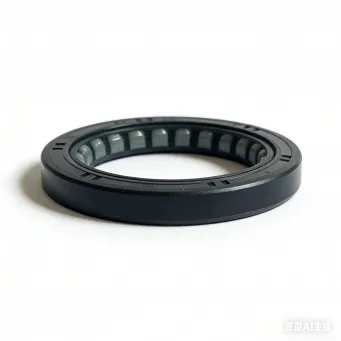
Sep. 28, 2026
How to Extend the Service Life of Automotive Oil Seals
When working with automotive oil seals, you're almost certainly faced with the constant challenge of ensuring they last as long as possible to maintain optimal performance and reduce costs. I can assure you, with a few practical steps, you can significantly extend the service life of your automotive oil seals. This guide will walk you through efficient methods to achieve this goal, ensuring a
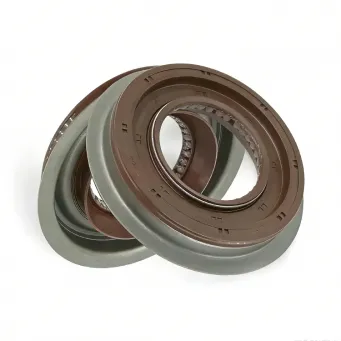
Sep. 28, 2026
How to Prevent Automotive Oil Seal Cracking in Cold Environments
Preventing automotive oil seal cracking in cold environments is a critical concern for those of us in the automotive industry, especially if we want to maintain the reliability of machinery and vehicles. I’m here to provide you with clear, actionable steps that can help you effectively safeguard your oil seals against the rigors of cold weather conditions. Ensuring that your oil seals remain
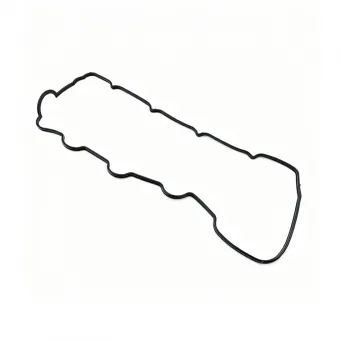
Aug. 24, 2026
Top Features Buyers Look for in High-Performance Automotive Oil Seals
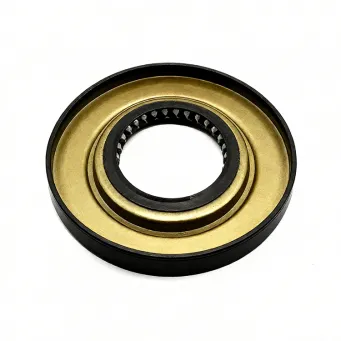
In today’s automotive market, the demand for high-performance oil seals is surging, driven by the need for enhanced engine efficiency and longevity. Car enthusiasts and automotive professionals face common pain points related to oil leaks, subpar performance, and accelerated wear and tear on engine components. To address these concerns, buyers must focus on key features when selecting oil
Aug. 24, 2026
Automotive Oil Seal vs Mechanical Seal: What’s the Difference
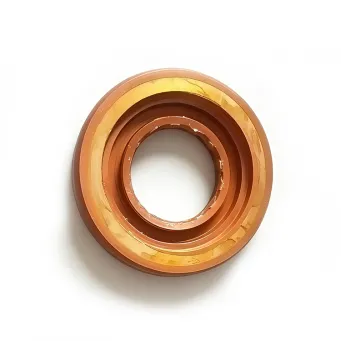
In the world of automotive engineering, understanding the differences between automotive oil seals and mechanical seals can save vehicle owners time, money, and unnecessary headaches. Many users frequently ask, "Which seal should I use for my application?" and "What are the real-world implications of choosing the wrong seal?" These questions stem from common pain points like leaks, decreased
Aug. 24, 2026
Pros and Cons of PTFE Automotive Oil Seals in High-Speed Applications
In high-performance automotive environments, the effectiveness of seals is pivotal, particularly in high-speed applications where pressure, temperature, and friction create distinct challenges. PTFE automotive oil seals, renowned for their chemical resistance and low friction properties, often emerge as a popular choice. However, selecting the right oil seal can be daunting, as users frequently
You may like these products


