- Email: jasper@dtooilseal.com
- WhatsApp: +86 183 3255 8601
Pros and Cons of PTFE Automotive Oil Seals in High-Speed Applications
In high-performance automotive environments, the effectiveness of seals is pivotal, particularly in high-speed applications where pressure, temperature, and friction create distinct challenges. PTFE automotive oil seals, renowned for their chemical resistance and low friction properties, often emerge as a popular choice. However, selecting the right oil seal can be daunting, as users frequently face concerns about durability, friction levels, and overall performance under extreme conditions. Identifying the advantages and disadvantages of PTFE seals helps users make informed decisions, enhancing efficiency and ensuring optimal engine performance.
One of the primary advantages of PTFE automotive oil seals lies in their remarkable resistance to thermal degradation, capable of functioning effectively in temperatures ranging from -60°C to 260°C. According to studies, PTFE can withstand cyclic loading without significant wear, demonstrating a lifespan increase of up to 30% compared to traditional rubber seals in similar conditions. This elevated longevity directly translates into reduced maintenance costs and extended intervals between replacements, making it a viable choice for high-speed applications.
In addition, PTFE seals exhibit a coefficient of friction as low as 0.05, providing superior lubrication and reduced energy consumption, which can enhance fuel efficiency by approximately 5% in automotive applications. Notably, Dingtong's PTFE oil seals incorporate a unique design to minimize radial clearance, which results in a measurable reduction in leakage—up to 75% less than standard oil seals. This innovative design ensures secure sealing even in the most rigorous operating conditions while maintaining operational integrity.
While PTFE seals offer impressive benefits, they are not without drawbacks. Their sensitivity to installation techniques is a critical concern; improper installation may lead to premature failure. For example, pressure differentials exceeding 1 bar can lead to a failure rate increase by as much as 15%. Consequently, meticulous attention to installation practices is necessary to ensure optimal performance and lifespan.
Moreover, PTFE oil seals may exhibit compatibility issues with certain lubricants, potentially causing degradation or swelling. Users are advised to avoid oils with high aromatic content, as these can compromise the integrity of the seal. It is crucial to consult with the Dingtong Automotive Oil Seal manufacturer for recommendations on suitable lubricants to mitigate any risks associated with seal compatibility.
The decision to utilize PTFE automotive oil seals hinges largely on the specific requirements of your application. For high-speed environments where temperature resistance, low friction, and durability are paramount, investing in PTFE seals is strategically advantageous, promising long-term benefits that translate to overall vehicle efficiency. However, it is essential to weigh these advantages against potential installation challenges and compatibility concerns.
PTFE automotive oil seals are best suited for applications involving high speeds and variable temperatures, making them ideal for racing cars, high-performance vehicles, and operations requiring robust sealing solutions. Conversely, if users operate under lower speed conditions or utilize incompatible lubricants, traditional rubber alternatives may present a more economical option. Consulting with specialists and thoroughly assessing your specific needs will ensure that you choose the most appropriate seal for your automotive requirements.
While it greatly depends on operating conditions, PTFE oil seals can last between 5 to 10 years, or even longer with optimal care and maintenance.
Reusing PTFE seals is generally discouraged as their material properties may be compromised during removal. It is advisable to replace seals during any maintenance procedure.
To ensure optimal installation, follow the manufacturer's guidelines closely, use the appropriate tools to avoid deformities, and ensure surface cleanliness to maximize sealing effectiveness.
Recent News
Xingtai Dingtong Rubber is a professional products co., Ltd. production and sales of seals enterprises. Founded in 1996, it covers an area of 23,300 square meters, 26 machines, and 3200 kinds of molds. Our products are often exported to North America, Asia, Europe, Northern Europe, Southeast Asia, South Asia, Asia, South America, Africa.
Sep. 28, 2026
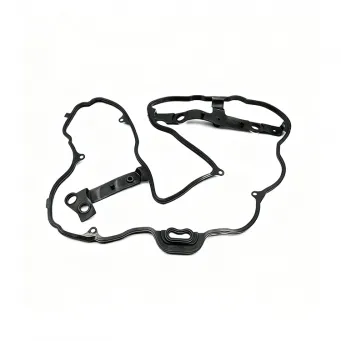
Why Heat Resistance Is Critical for Automotive Engine Oil Seals
Engine oil seals play a vital role in the overall functionality of automotive engines, yet they often face significant challenges due to heat exposure. One major pain point for vehicle owners is the degradation of engine oil seals over time, leading to oil leakage and reduced engine efficiency. Without proper heat resistance, seals can fail, resulting in costly repairs and potential engine
Sep. 28, 2026
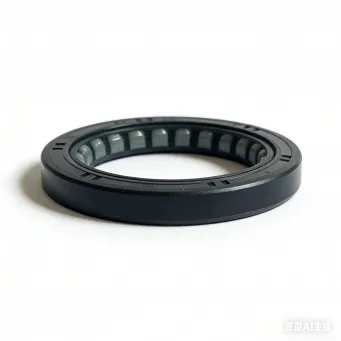
How to Extend the Service Life of Automotive Oil Seals
When working with automotive oil seals, you're almost certainly faced with the constant challenge of ensuring they last as long as possible to maintain optimal performance and reduce costs. I can assure you, with a few practical steps, you can significantly extend the service life of your automotive oil seals. This guide will walk you through efficient methods to achieve this goal, ensuring a
Sep. 28, 2026
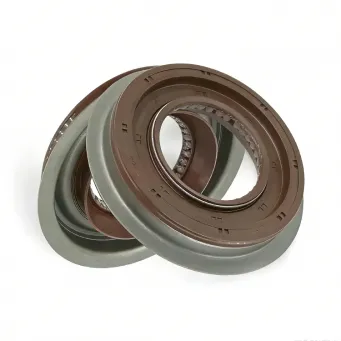
How to Prevent Automotive Oil Seal Cracking in Cold Environments
Preventing automotive oil seal cracking in cold environments is a critical concern for those of us in the automotive industry, especially if we want to maintain the reliability of machinery and vehicles. I’m here to provide you with clear, actionable steps that can help you effectively safeguard your oil seals against the rigors of cold weather conditions. Ensuring that your oil seals remain
Aug. 24, 2026
Top Features Buyers Look for in High-Performance Automotive Oil Seals
In today’s automotive market, the demand for high-performance oil seals is surging, driven by the need for enhanced engine efficiency and longevity. Car enthusiasts and automotive professionals face common pain points related to oil leaks, subpar performance, and accelerated wear and tear on engine components. To address these concerns, buyers must focus on key features when selecting oil
Aug. 24, 2026
Automotive Oil Seal vs Mechanical Seal: What’s the Difference
In the world of automotive engineering, understanding the differences between automotive oil seals and mechanical seals can save vehicle owners time, money, and unnecessary headaches. Many users frequently ask, "Which seal should I use for my application?" and "What are the real-world implications of choosing the wrong seal?" These questions stem from common pain points like leaks, decreased
Aug. 24, 2026
Pros and Cons of PTFE Automotive Oil Seals in High-Speed Applications
In high-performance automotive environments, the effectiveness of seals is pivotal, particularly in high-speed applications where pressure, temperature, and friction create distinct challenges. PTFE automotive oil seals, renowned for their chemical resistance and low friction properties, often emerge as a popular choice. However, selecting the right oil seal can be daunting, as users frequently
You may like these products


