- Email: jasper@dtooilseal.com
- WhatsApp: +86 183 3255 8601
Oil Seal (Lip Seal) Vs. Mechanical Seal: Pros & Cons of Each
The purpose of any seal is to protect a joining in a piece of equipment. Seals serve to keep lubrication or other liquids inside and contamination outside of the joint. A lip seal is also known as an oil seal or a rotary shaft seal. Oil seals or rotary shaft seals and mechanical seals are designed for moving parts. Choosing between an oil seal and a mechanical seal requires understanding their similarities, differences, and the specific demands of the application.
Oil seals, often used in environments like hydraulic pumps and valve stems, are engineered to withstand continuous motion while blocking contaminants such as grit, dust, and dirt. Typically constructed from various types of rubber, they are available in a wide range of designs to meet diverse application needs. Some oil seals are spring-loaded for enhanced performance, while others rely on alternative mechanisms to ensure reliability. Oil or Rotary shaft seals are vulnerable to extreme temperatures, which can cause them to wear out faster if they are used in very high or low temperatures.
A mechanical seal consists of stationary elements, rotating components, and a spring, with the spring type varying to suit specific application requirements. This sophisticated device serves as the interface between the stationary and moving parts of machinery, offering a modern alternative to traditional gland packing. Unlike gland packing, mechanical seals are more durable and require less frequent maintenance. Designed for use in applications involving a rotating shaft, these seals stand out for their reliability and low maintenance needs, which contribute to enhanced productivity and operational efficiency.

1. Cost-Effective: Oil seals are generally more affordable than mechanical seals, making them suitable for budget-conscious applications.
2. Simple Design: Their straightforward construction ensures easy installation and replacement.
3. Wide Material Compatibility: Available in a variety of materials, oil seals can accommodate different operating conditions, including high temperatures and exposure to chemicals.
4. Versatility: Used across multiple industries, from automotive to manufacturing, for low-pressure applications.
1. Limited Durability in High Pressure: Oil seals may fail under high-pressure or high-speed conditions due to wear and tear.
2. Single Functionality: Primarily designed to prevent leaks, they may not withstand extreme environments or continuous operation.
3. Shorter Lifespan: Compared to mechanical seals, oil seals require more frequent replacement in demanding applications.
1. Superior Sealing Efficiency: Mechanical seals provide a near-perfect seal, even under high pressure and high-speed conditions.
2. Longer Lifespan: Designed for durability, they often outlast oil seals in demanding applications.
3. Resistance to Extreme Conditions: Effective in environments involving high temperatures, corrosive chemicals, and high-speed rotations.
4. Reduced Leakage: Virtually eliminates leaks, reducing maintenance and enhancing environmental compliance.
1. Higher Cost: Mechanical seals are significantly more expensive than oil seals, which can be a limiting factor for some applications.
2. Complex Installation: Their installation and maintenance require expertise, adding to operational complexity.
3. Not Suitable for All Applications: Over-engineered for low-pressure, low-speed systems, making them an unnecessary expense in such cases.
Feature | Oil Seal (Lip Seal) | Mechanical Seal |
Cost | Lower cost, budget-friendly | Higher initial cost |
Durability | Moderate lifespan in low-pressure systems | Long-lasting, even in extreme conditions |
Application Scope | Low-pressure, low-speed systems | High-pressure, high-speed systems |
Ease of Installation | Simple, no specialized skills required | Complex, requires expertise |
Leakage Prevention | Adequate for general use | Exceptional, near-zero leakage |
Resistance | Limited to specific environments | Broad resistance to chemicals, heat, etc. |
- Low-Cost Applications: Suitable where budget constraints are a priority.
- Low-Pressure Systems: Effective in applications with moderate operational demands.
- Routine Maintenance: Where frequent replacement is feasible and downtime is minimal.
- Automotive engines and gearboxes
- Small pumps and compressors
- General machinery
- High-Performance Needs: Perfect for systems requiring high durability and sealing efficiency.
- Critical Applications: Where leakage can lead to significant damage or regulatory issues.
- Challenging Environments: Designed to handle extreme temperatures, pressures, and chemical exposure.
- Oil and gas pipelines
- Chemical processing plants
- High-speed pumps in industrial systems
The choice between oil seals and mechanical seals ultimately depends on the specific requirements of your application. Oil seals are a practical, cost-effective solution for general-purpose use, while mechanical seals provide advanced performance for demanding industrial needs. Understanding the operating conditions, budget, and expected lifespan of your equipment will help you make an informed decision.

Recent News
Xingtai Dingtong Rubber is a professional products co., Ltd. production and sales of seals enterprises. Founded in 1996, it covers an area of 23,300 square meters, 26 machines, and 3200 kinds of molds. Our products are often exported to North America, Asia, Europe, Northern Europe, Southeast Asia, South Asia, Asia, South America, Africa.
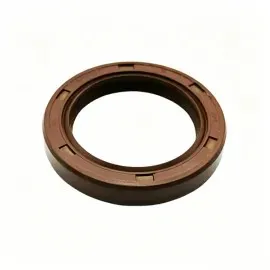
Oct. 23, 2026
NBR, ACM, FKM or PTFE? Material Selection for Mitsubishi Oil Seals
When a Mitsubishi engine begins leaving a thin oil ring around the crankshaft or gearbox input shaft, the seal material is often the real decision—not the seal size alone. An Automotive Oil Seal manufacturer must match fluid chemistry, shaft speed, temperature, pressure, and installation conditions. This guide compares NBR oil seals for Mitsubishi, ACM Mitsubishi crankshaft seals, FKM
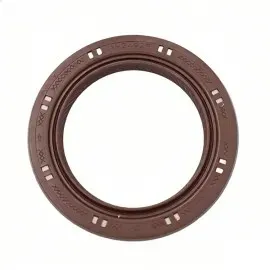
Oct. 23, 2026
How to Specify Stepped Mazda Oil Seal Dimensions for an Accurate Quotation
When I request a quotation for a stepped Mazda oil seal, I do not send only the vehicle model or a photograph. I provide a complete dimensional and operating specification covering the shaft diameter, housing bore, seal width, step geometry, material, spring, temperature, and quantity. By following the practical six-step method below, you can prepare a quotation-ready drawing or data sheet in
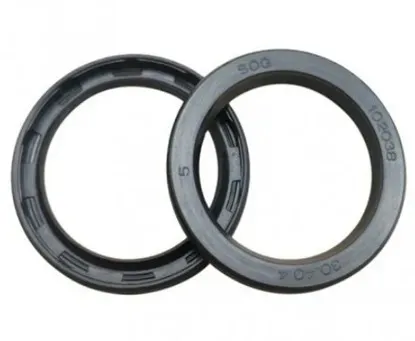
Oct. 23, 2026
Nissan Differential, Pinion and Axle Oil Seals: How to Tell Them Apart
When a Nissan differential, pinion, or axle seal begins to leak, the fastest solution is to identify the seal by its location, dimensions, shaft function, and oil exposure—not by appearance alone. In this guide, we at Dingtong, an experienced Automotive Oil Seal manufacturer, explain a simple five-step method to identify the correct Nissan oil seal, confirm the replacement specification, avoid
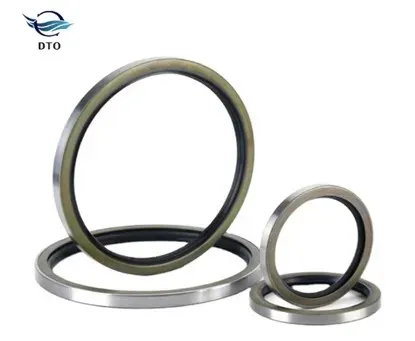
Oct. 23, 2026
How to Identify Toyota Transmission Oil Seals by Installation Position
When I need to identify a Toyota transmission oil seal quickly and accurately, I follow four steps: locate the installation position, measure the seal and shaft, confirm the transmission code or OEM reference, and verify the seal’s rotation direction and material. This method helps workshops, distributors, and purchasing teams avoid incorrect replacements, reduce vehicle downtime, and obtain
Sep. 28, 2026
Why Heat Resistance Is Critical for Automotive Engine Oil Seals
Engine oil seals play a vital role in the overall functionality of automotive engines, yet they often face significant challenges due to heat exposure. One major pain point for vehicle owners is the degradation of engine oil seals over time, leading to oil leakage and reduced engine efficiency. Without proper heat resistance, seals can fail, resulting in costly repairs and potential engine
Sep. 28, 2026
How to Extend the Service Life of Automotive Oil Seals
When working with automotive oil seals, you're almost certainly faced with the constant challenge of ensuring they last as long as possible to maintain optimal performance and reduce costs. I can assure you, with a few practical steps, you can significantly extend the service life of your automotive oil seals. This guide will walk you through efficient methods to achieve this goal, ensuring a
You may like these products

TC oil seal is a widely used radial contact rotary oil seal designed to provide an excellent sealing solution for bearings and shaft ends, preventing the leakage of lubricants and the intrusion of external contaminants such as dust and water.

TC oil seal with nominal dimensions of 62 x 85 x 10 mm. Confirm material, detailed design and application requirements with DTO before ordering.

The VA2 profile is a shaft seal composed of a single external metal cage with a metal reinforcement and a primary sealing lip without a spring.

Standard type for a broad range of applications in every sector of industry.

NBR (Natural Rubber), Plain Steel insert, Spring Steel spring.


