- Email: jasper@dtooilseal.com
- WhatsApp: +86 183 3255 8601
News
Aug. 24, 2026
Why Automotive EV Systems Require Advanced Oil Seal Technology
As we navigate the transformative landscape of the auto industry, one critical issue stands out: the integrity and efficiency of automotive EV systems. At the core of this dilemma lies the performance of oil seals, a seemingly small component that plays a giant role in the functionality of electric vehicles. Advanced oil seal technology is not just a luxury but a necessity for ensuring the

Dec. 30, 2024
TA, TB, and TC Oil Seal: Respective Uses
Oil seals are mechanical devices used to seal the space between stationary and moving components. They prevent the escape of lubricants and protect machinery from dust and debris, playing a crucial role in maintaining performance and longevity.

Dec. 17, 2024
How Long Does an Oil Seal Last?
Under standard operating conditions (moderate temperatures, low to moderate pressure, clean environment), an oil seal can last between 2,000 to 3,000 hours of operation.

Nov. 28, 2024
What Are The Models Of Skeleton Oil Seal? How to Choose Them
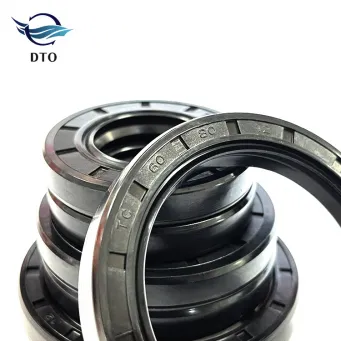
The TC model (double-lip with a spring) is among the most commonly used types. It is widely employed in automotive engines, gearboxes, and hydraulic systems.

Nov. 18, 2024
Oil Seal (Lip Seal) Vs. Mechanical Seal: Pros & Cons of Each
Seals serve to keep lubrication or other liquids inside and contamination outside of the joint. A lip seal is also known as an oil seal or a rotary shaft seal. Oil seals or rotary shaft seals and mechanical seals are designed for moving parts.

Oct. 24, 2024
Oil Seals: Function & Maintenance
Regular Lubrication: Ensuring adequate lubrication will minimize friction and prevent wear and tear on the seal. Use only compatible lubricants as per the seal material to avoid chemical erosion.
Subscribe to Our Newsletter
Choose us, is to choose the quality of noble products and services, is to choose the source of success and interests.
Knowledge Center

Q:The use of TC oil seals can solve the following problems
Prevent oil leakage: The TC oil seal tightly seals the gap between the shaft and the housing, effectively preventing the leakage of oil, ensuring that the oil can remain inside the machine, providing continuous lubrication for moving parts.
Prevent contaminants from entering: TC oil seals can prevent external dust, dirt and other harmful substances from entering the inside of the machine, thereby protecting the internal precision components from damage and maintaining the normal operation of the machine.
Reduce maintenance costs: By preventing oil leaks and contaminants from entering, the use of TC oil seals can extend the service life of the machine and reduce the cost of servicing and replacing parts.
Improve equipment performance: By ensuring the proper distribution of lubricating oil and maintaining a clean machine interior, TC oil seals can improve equipment performance and efficiency, reducing unnecessary energy loss due to friction and wear.
