- Email: jasper@dtooilseal.com
- WhatsApp: +86 183 3255 8601
How Long Does an Oil Seal Last?
Oil seals, often referred to as shaft seals, rotary seals, or grease seals, play a critical role in machinery and automotive systems by preventing the leakage of fluids and contaminants. The lifespan of an oil seal depends on several factors, including the material, operating conditions, and maintenance practices. Understanding these elements can help extend the life of an oil seal and improve overall system performance.
Oil seals are essential components used to seal gaps between stationary and moving parts in mechanical systems. They prevent lubricants from leaking out and contaminants like dust, dirt, and moisture from entering the system. These seals ensure optimal performance, reduce wear and tear, and extend the lifespan of mechanical components.

The material of an oil seal plays a significant role in determining its durability. Common materials include:
- Nitrile Rubber (NBR): Affordable and resistant to oils, but not suitable for extreme temperatures.
- Fluoroelastomers (Viton): High resistance to heat and chemicals, making it ideal for demanding environments.
- Silicone: Excellent for low-temperature applications but less resistant to wear.
- Polyurethane: Strong and wear-resistant but limited by temperature range.
Oil seals operate under various stresses, including:
- Temperature: High temperatures can degrade materials, causing the seal to lose flexibility and integrity.
- Pressure: Excessive pressure can lead to seal deformation and leakage.
- Rotational Speed: Faster rotations generate heat and friction, increasing wear.
Exposure to external elements such as dirt, water, and chemicals can shorten the lifespan of an oil seal. Proper sealing and housing design are crucial to mitigate these effects.
Regular inspection and timely replacement are vital. Overlooking maintenance can result in catastrophic failures, causing damage to the machinery.
Recognizing early signs of wear can prevent costly downtime:
- Visible Leaks: Oil or lubricant leakage indicates a compromised seal.
- Noise and Vibration: Unusual sounds may result from worn seals causing misalignment.
- Discoloration or Deformation: Heat and chemical exposure can alter the seal’s appearance.
- Reduced System Efficiency: Loss of pressure or lubricant affects overall performance.
On average, oil seals can last anywhere from 50,000 to 100,000 miles in automotive applications. Under standard operating conditions (moderate temperatures, low to moderate pressure, clean environment), an oil seal can last between 2,000 to 3,000 hours of operation. However, these estimates vary widely based on the factors mentioned earlier. High-quality seals made from advanced materials and used in well-maintained systems often last longer.
Select a material compatible with the operating environment, temperature, and fluids.
Ensure the seal is installed correctly to avoid misalignment or damage.
Adequate lubrication reduces friction and heat, prolonging the seal's life.
Keep temperature, pressure, and speed within recommended limits to prevent excessive wear.
Inspect seals periodically for signs of wear and replace them before failure occurs.
Oil seals are used across various industries, including:
- Automotive: Sealing engine components, transmission systems, and wheel hubs.
- Industrial Machinery: Protecting bearings, pumps, and hydraulic systems.
- Aerospace: Ensuring reliability in high-performance systems.
- Marine: Preventing water ingress in propeller shafts and other marine equipment.
Advancements in material science and manufacturing processes have led to:
- Enhanced Durability: New materials with improved heat and chemical resistance.
- Self-Lubricating Seals: Reduced maintenance requirements.
- Custom Designs: Tailored seals for specific applications and operating conditions.
Timely replacement is critical to avoid system failures. Follow these guidelines:
- Replace seals during major system overhauls.
- Conduct periodic checks based on operating hours or mileage.
- Replace seals at the first sign of wear or leakage.
Oil seals are vital to the efficient operation of machinery and vehicles. Their lifespan depends on material choice, operating conditions, and maintenance practices. By selecting the right seal, maintaining proper installation, and conducting regular inspections, you can significantly extend the life of an oil seal and reduce system downtime. For more information about how to enhance your equipment's performance, feel free to reach out to industry experts or trusted suppliers.

Recent News
Xingtai Dingtong Rubber is a professional products co., Ltd. production and sales of seals enterprises. Founded in 1996, it covers an area of 23,300 square meters, 26 machines, and 3200 kinds of molds. Our products are often exported to North America, Asia, Europe, Northern Europe, Southeast Asia, South Asia, Asia, South America, Africa.
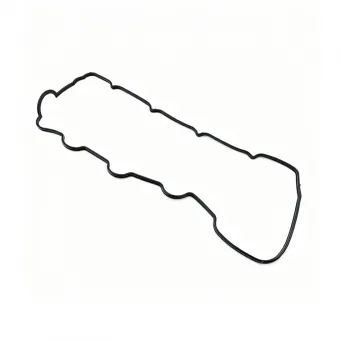
Aug. 24, 2026
Top Features Buyers Look for in High-Performance Automotive Oil Seals
In today’s automotive market, the demand for high-performance oil seals is surging, driven by the need for enhanced engine efficiency and longevity. Car enthusiasts and automotive professionals face common pain points related to oil leaks, subpar performance, and accelerated wear and tear on engine components. To address these concerns, buyers must focus on key features when selecting oil
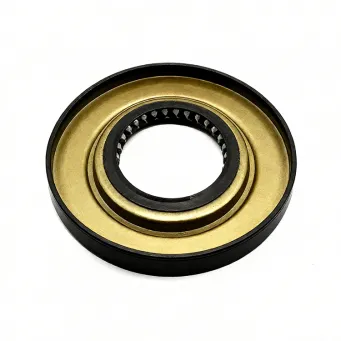
Aug. 24, 2026
Automotive Oil Seal vs Mechanical Seal: What’s the Difference
In the world of automotive engineering, understanding the differences between automotive oil seals and mechanical seals can save vehicle owners time, money, and unnecessary headaches. Many users frequently ask, "Which seal should I use for my application?" and "What are the real-world implications of choosing the wrong seal?" These questions stem from common pain points like leaks, decreased
Aug. 24, 2026
Pros and Cons of PTFE Automotive Oil Seals in High-Speed Applications
In high-performance automotive environments, the effectiveness of seals is pivotal, particularly in high-speed applications where pressure, temperature, and friction create distinct challenges. PTFE automotive oil seals, renowned for their chemical resistance and low friction properties, often emerge as a popular choice. However, selecting the right oil seal can be daunting, as users frequently
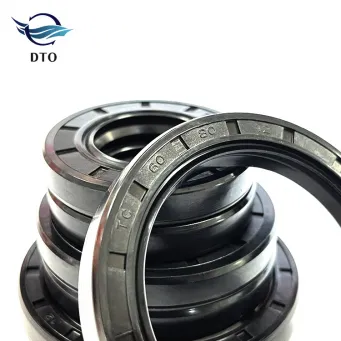
Aug. 24, 2026
Why Automotive EV Systems Require Advanced Oil Seal Technology
As we navigate the transformative landscape of the auto industry, one critical issue stands out: the integrity and efficiency of automotive EV systems. At the core of this dilemma lies the performance of oil seals, a seemingly small component that plays a giant role in the functionality of electric vehicles. Advanced oil seal technology is not just a luxury but a necessity for ensuring the

Dec. 30, 2024
TA, TB, and TC Oil Seal: Respective Uses
Oil seals are mechanical devices used to seal the space between stationary and moving components. They prevent the escape of lubricants and protect machinery from dust and debris, playing a crucial role in maintaining performance and longevity.

Dec. 17, 2024
How Long Does an Oil Seal Last?
Under standard operating conditions (moderate temperatures, low to moderate pressure, clean environment), an oil seal can last between 2,000 to 3,000 hours of operation.
You may like these products

The TC Oil Seal 12x22x7 from Dingtong is a precision-engineered mini double lip rotary shaft seal designed for reliable lubricating oil retention and effective dust exclusion in compact mechanical systems. Featuring a reinforced metal case and high-performance elastomer sealing lips, this model deli

TC oil seal is a widely used radial contact rotary oil seal designed to provide an excellent sealing solution for bearings and shaft ends, preventing the leakage of lubricants and the intrusion of external contaminants such as dust and water.

The TC Oil Seal 60x80x12 from Dingtong is a heavy-duty double lip rotary shaft seal designed for stable lubricating oil retention and effective dust exclusion in medium to large industrial equipment. With a reinforced steel outer case and thickened sealing structure, this model is optimized for higher load conditions and long-term continuous operat

The VA2 profile is a shaft seal composed of a single external metal cage with a metal reinforcement and a primary sealing lip without a spring.

Standard type for a broad range of applications in every sector of industry.


